
Jim Webster is Coached’s Exercise Physiologist and Lab Manager. He oversees testing in the lab and teaches clients how the body works and how to get the most out of it. Over the years, he has optimised the way athletes train, eat and live with the Coached philosophy.
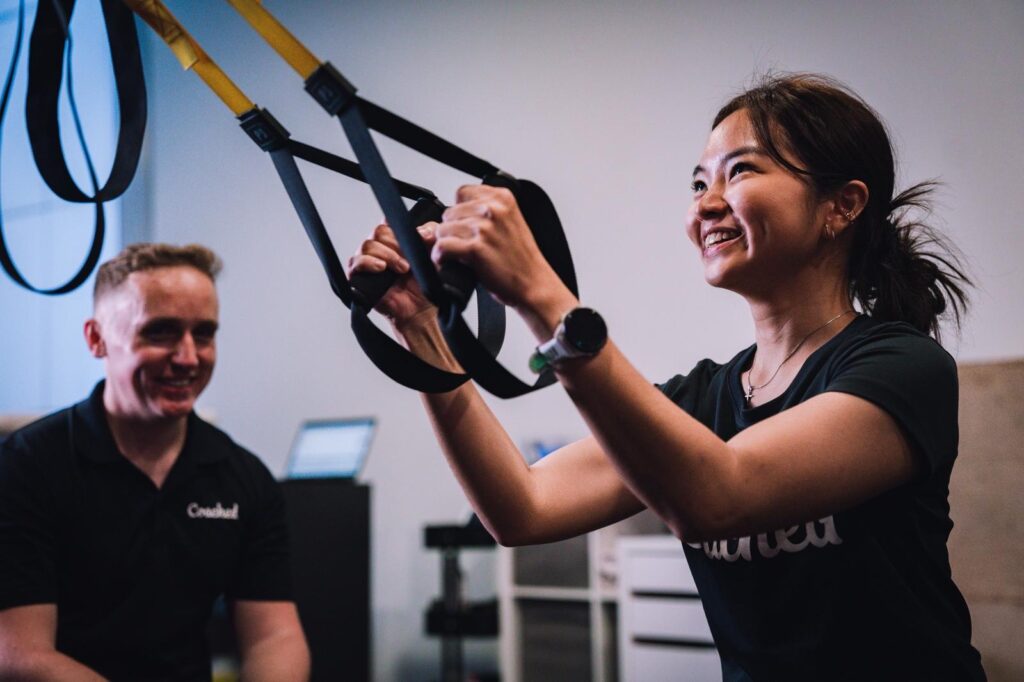
Photo: Coached
I caught up with Jim about running, marathons and how his work at the Coached Lab helps to improve athletic performance for hobby athletes such as you and me.
Over the years, there are several recurring mistakes amongst marathoners that Jim has observed.
These are:
- Training too hard, too often. Said Jim, “many runners run at a moderate to high intensity which leads to burnout, stagnation or injury.”
- Lack of structure and progression. Said Jim, “without a plan that includes progressive overload and recovery, runners often hit plateaus or don’t maximise their potential.”
- Neglecting recovery and strength work. Said Jim, “Sleep, nutrition and strength training are all overlooked despite being critical for resilience and long-term gains.”
- Poor pacing on race day. Said Jim, “Starting too fast is a common error that causes runners to fade late in the race. This stems from a lack of race-specific preparation and awareness of one’s true limits.”
To rectify these issues, there are several tips that Jim can offer. These are as follows. 
- Train with purpose. Said Jim, “Use heart rate, pace or power zones based on physiological testing to guide effort levels and ensure each session has defined goals.”
- Follow a structured training plan. Explained Jim, “Include periodisation with clear build and recovery phrases. A progressive plan prevents overtraining and improves long-term performance.”
- Incorporate strength and recovery. Said Jim, “Two-weekly strength sessions focusing on running-specific movements combined with adequate rest and sleep, help prevent injury and supports performance.”
- Practise pacing during training. Said Jim, “Simulate race conditions during key workouts so you’re familiar with the demands of your goal pace and can execute your strategy more confidently on race day.”

 Coached uses scientific testing and data-driven insights to personalise training and optimise results. According to Jim, what Coached does is as follows:
- Identify precise training zones for athletes based on lactate and metabolic data, eliminating guesswork.
- Understand athletes’ fuelling and hydration needs with sweat and metabolic testing.
- Develop appropriate pacing strategies for athletes based on physiological thresholds.
- Monitor fitness progression for athletes with repeated tests to ensure training is working as intended.
Said Jim, “Our lab testing bridges the gap between generic training programmes and what you actually need.”
Types of testing
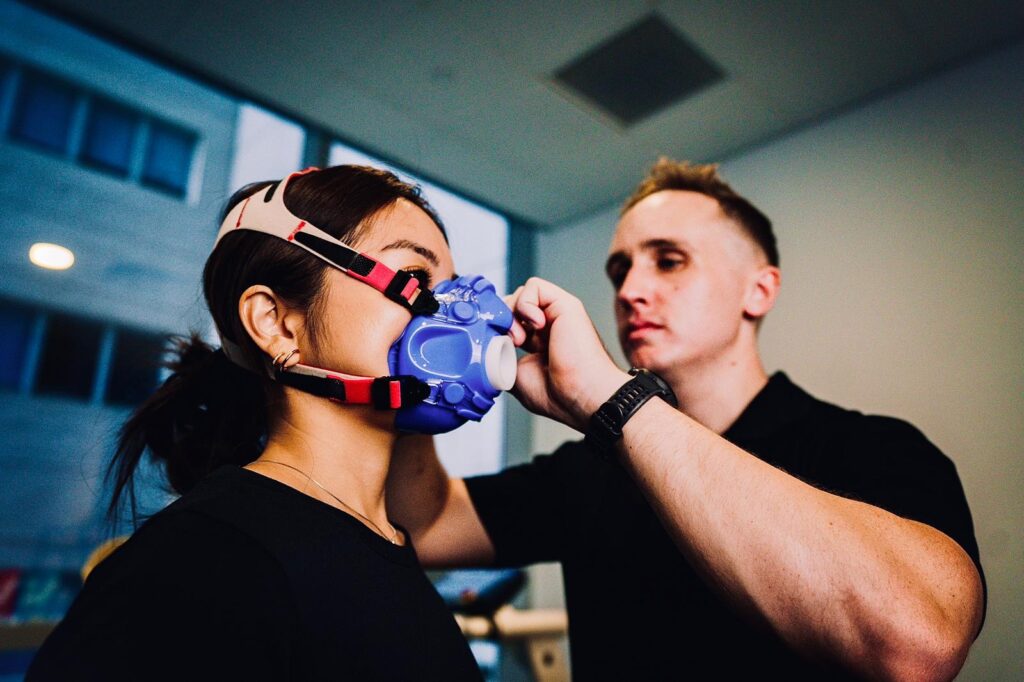
Photo: Coached
Coached offers several different types of testing in the lab for athletes to gauge their fitness levels, body functionality and performance. These are as follows.
- Lactate testing
- Metabolic testing
- Sweat testing
- Resting metabolic rate testing
- Skin fold testing
- VO2 Max testing
With so many tests on offer at Coached and tests costing between $85 to $200, which ones are the most important to focus on?
According to Jim, the most crucial three tests are:
- Lactate Threshold Test. Said Jim, “This test helps define aerobic and anaerobic thresholds accurately, enabling precise zone-based training, pacing, and recovery strategies.”
- Metabolic Test. Said Jim’ “This offers insights into fat versus carbohydrate usage at different intensities. It is especially valuable for long-course athletes where fuel efficiency is key.”
- Sweat Testing (via Precision Fuel & Hydration). Said Jim, “This identifies sweat sodium concentration to personalise your hydration strategy. This helps reduce cramping, dehydration, and GI distress during training and racing, particularly in hot or humid conditions.”
Explained Jim, “Each of these tests delivers unique insights. Combined, they give athletes a 360-degree view of their physiology, allowing for personalised, evidence-based performance strategies.”
Besides a lactate test in the lab, Coached also suggests an FTPa (functional threshold Pace) field test whereby you run as Hard as you can for 20 minutes and use that to calculate your pace and heart rate zones.
Which of these according to Jim, is most beneficial for training?
Said Jim, “Both are useful, but they differ in approach.”

Photo: Coached
He then went on to compare the two tests and highlight the differences. These are as follows.
Lactate Test (Lab-based).
- Measures blood lactate response to increasing intensity.
- Identifies aerobic and anaerobic thresholds with high accuracy.
- Ideal for athletes looking for deep physiological insight and exact training zones.
- Conducted under controlled lab conditions.
FTPa Test (Field-based)
- A 20-minute time trial where the average pace and heart rate from this is used to estimate functional threshold.
- Easy to perform on your own in training.
- Useful for regular benchmarking between lab visits.
- Less precise but highly practical.
Concluded Jim, “The lactate test is more accurate and comprehensive, while the FTPa test is practical and accessible. We recommend using both: start with a lab test to establish a baseline, then track progress with FTPa tests every 4–6 weeks.”
With the test results on hand, I then asked Jim how Coached athletes will then best apply these to optimise their training and improve their performances.

Photo: Coached
Explained Jim, “Athletes can apply test results in several ways.”
He then proceeded to explain these as follows.
- Set training zones. Said Jim, “Use your physiological data to define heart rate, pace, or power zones. This ensures the right effort is applied in every session.”
- Personalise fuelling and hydration. Said Jim, “Use metabolic and sweat test results to guide how much carbohydrate, fluid, and sodium you need to perform optimally and recover well.”
- Build workouts with purpose. Said Jim, “Base training sessions around your unique thresholds—e.g. aerobic base runs in Zone 2, threshold sessions at your lactate turn point—for optimal adaptations.”
- Race smarter. Said Jim, “Pacing and nutrition strategies can be tailored to your physiology, giving you confidence and consistency on race day.”
- Track progress objectively. Said Jim, “Retesting every few months allows you to see improvements and fine-tune your training as you go.”
Leave a Comment