
The SkiErg comes first. The Wall Balls come last. Somewhere between the two, your shoulders and elbows could become your biggest weakness.
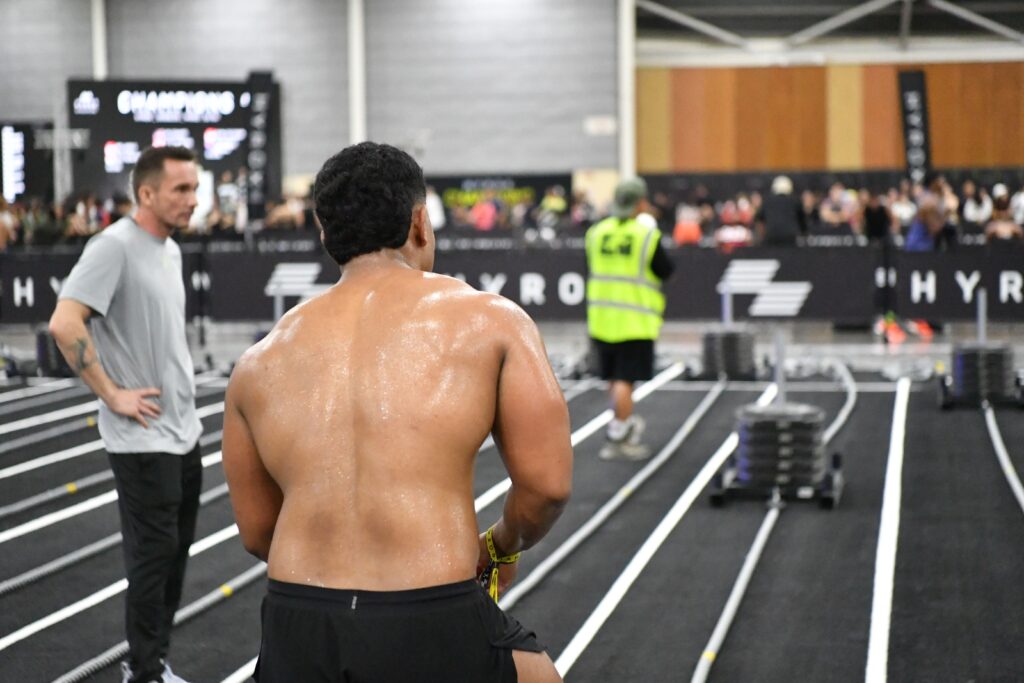 HYROX is all about endurance, strength and pushing through when your body wants to quit. But while most athletes spend weeks training their legs and running pace, there’s one area that often gets overlooked: the upper body.
Think about it. The SkiErg is the first workout station, immediately after the opening 1km run. Then, after eight kilometres of running and seven other workout stations, you face 100 Wall Balls at the very end.
Your shoulders and elbows have a lot of work to do.
With HYROX Singapore happening from November 26 to 29, 2026, it’s worth asking: are you training your upper body for what’s ahead, or simply hoping it will hold up on race day?
From SkiErg to Wall Balls: Technique Matters
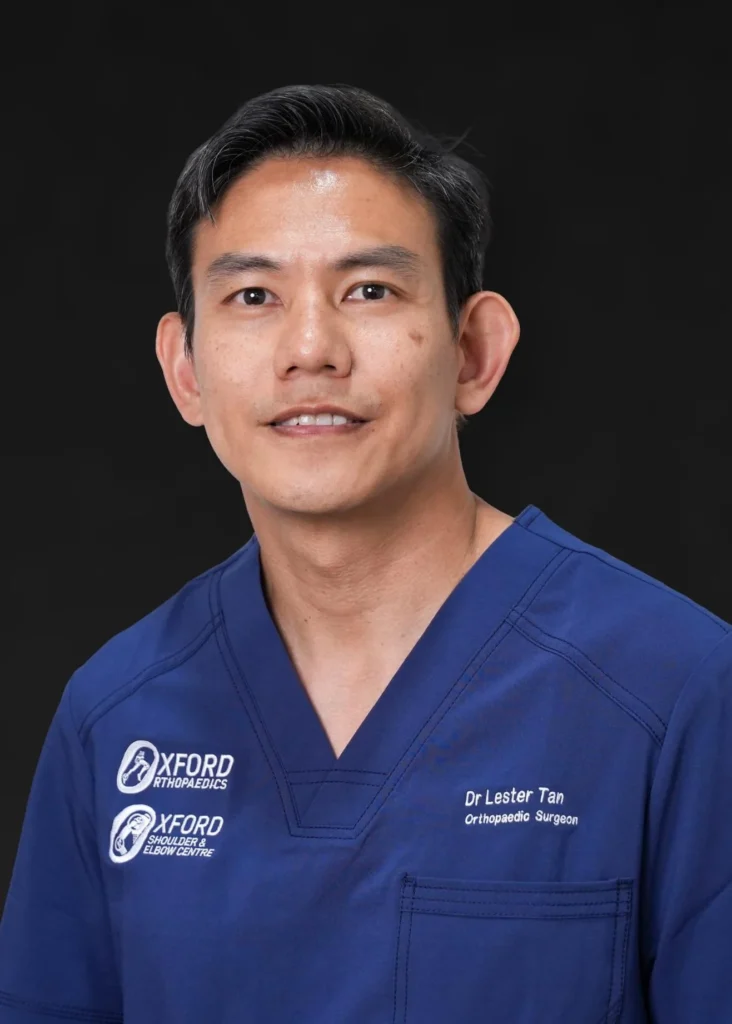
Dr. Lester Tan
According to Dr Lester Tan Teong Jin, Senior Consultant Orthopaedic Surgeon at Oxford Orthopaedics, HYROX is far more than a running race.
“Many people see HYROX as a running race, but it pushes the entire body to its limit, shoulders and elbows included,” he explains.
The SkiErg’s repetitive pulling can strain the arms and shoulders if technique is poor. At the other end of the race, Wall Balls can place considerable demands on the shoulders, especially when fatigue sets in.
The trick? Don’t make your shoulders do all the work.
Use your legs and core to power your Wall Balls, and engage your core during the SkiErg. For the Sled Pull, drive through your legs and hips rather than relying on your arms alone.
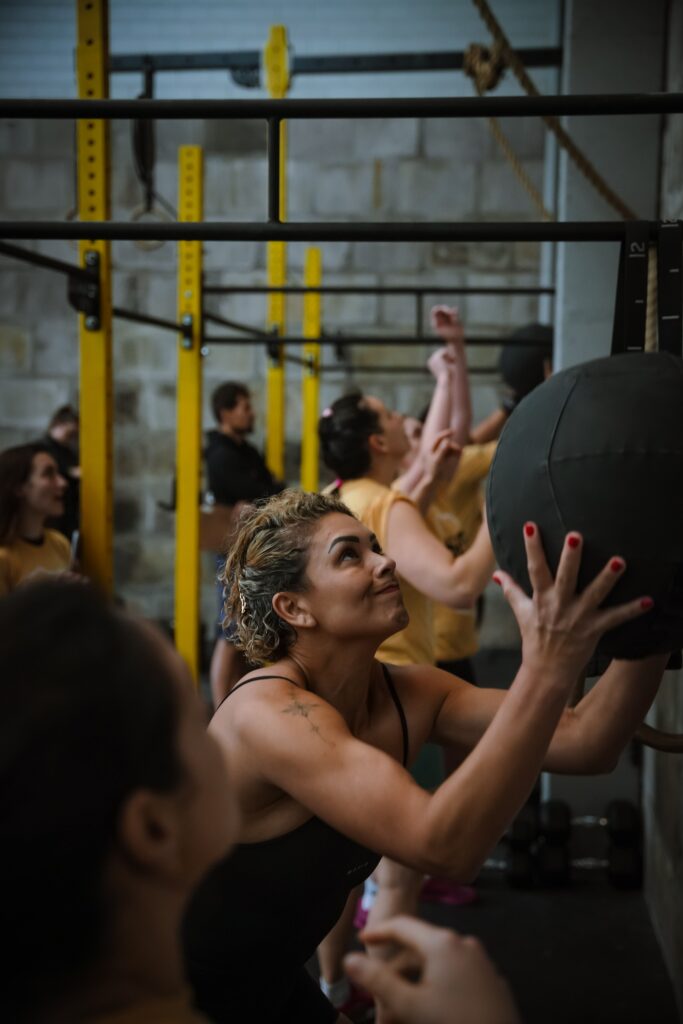
It sounds simple, but tired athletes often lose good technique as they chase the finish line. Pacing yourself and practising each station properly can make a real difference.
Is It Just Soreness — or Something More?
After a tough workout, sore muscles are normal. Delayed-onset muscle soreness (DOMS) typically peaks one to two days after exercise before gradually easing.
But persistent pain deserves attention.
Dr Tan advises athletes to consider getting checked if shoulder or elbow pain fails to improve after a few days of rest. Painful clicking, unusual weakness, numbness or difficulty using the arm normally are also warning signs.
Why does it matter? Shoulder injuries involving the rotator cuff or labrum can have longer-term consequences, while repeated strain at the elbow may lead to tendon problems such as tennis elbow.
Minor strains may settle within days to two weeks, but more significant muscle strains can take six to 12 weeks to recover fully.
In other words, pushing through pain today could mean spending much longer on the sidelines tomorrow.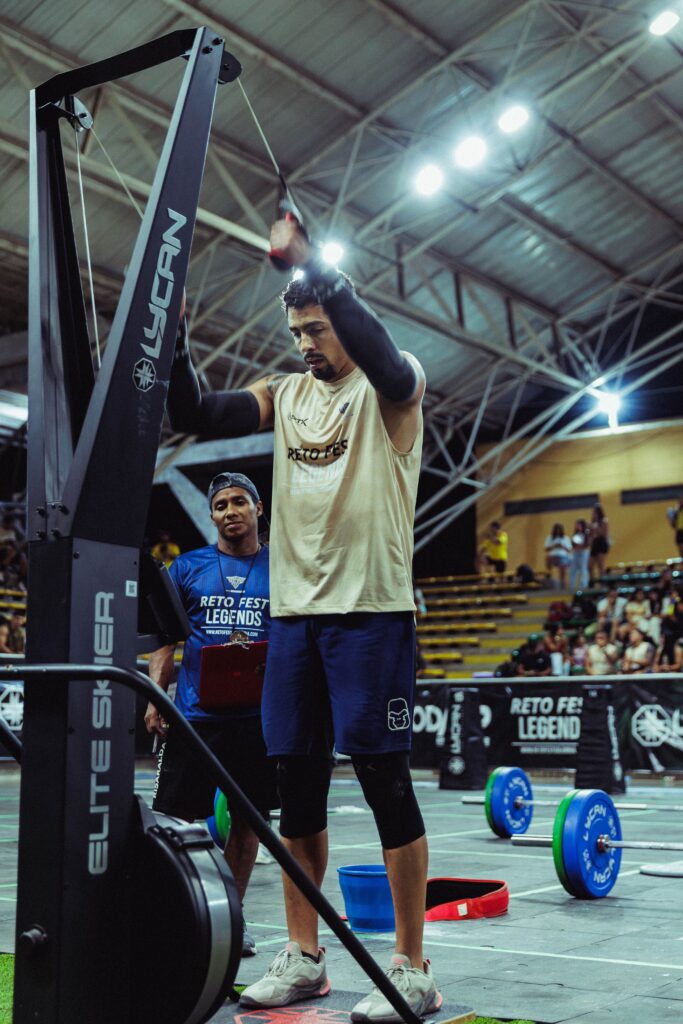
Train Smart, Race Strong
As race day approaches, keep these three things in mind:
- Practise the stations. Running alone won’t prepare you for repeated SkiErg pulls or 100 Wall Balls. Build up progressively and work on your technique.
- Respect fatigue. Going too hard too early can leave you struggling to maintain good form later in the race.
- Give your body time to recover. Warm up before training, cool down afterwards, and don’t rush back into full training if your shoulders or elbows are still hurting.
If you suspect an injury close to race day, seek professional advice rather than assuming you can simply push through. Whether you should modify training or withdraw depends on the nature and severity of the problem.
As Dr Tan advises, missing one race is better than risking a serious injury.
The Real Win Is More Than Crossing the Finish Line
HYROX is designed to test your limits, but that doesn’t mean ignoring your body’s warning signs.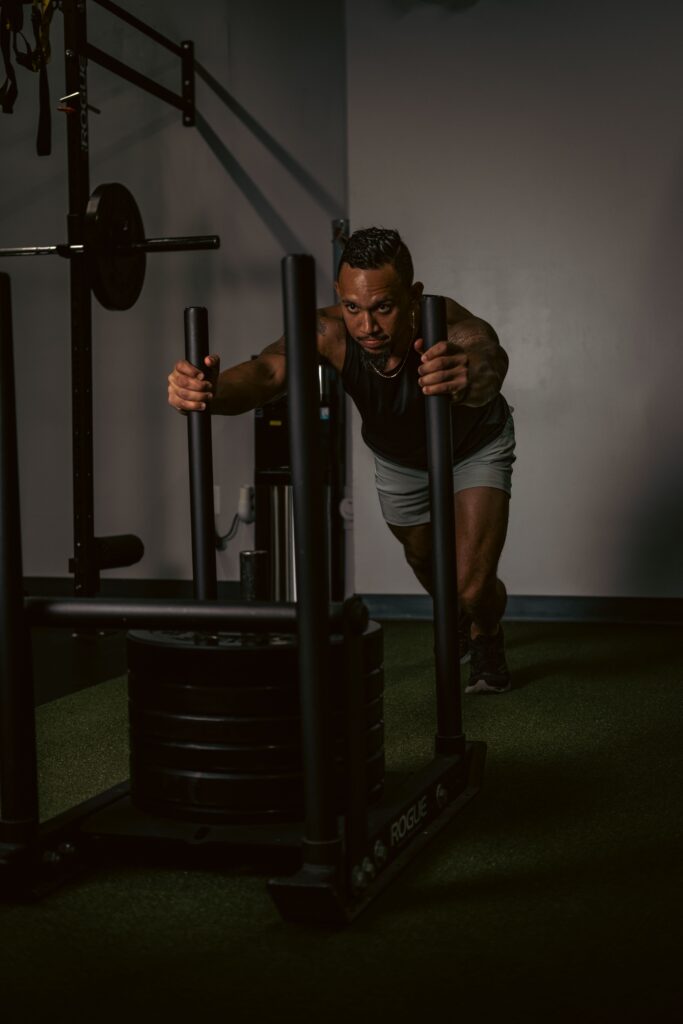
From the first SkiErg pull to the final Wall Ball, your shoulders and elbows deserve as much attention as your legs and lungs.
So, train your technique, pace yourself and take persistent pain seriously. The goal isn’t just to finish HYROX Singapore.
It’s to cross that finish line and still be ready for your next challenge.
Dr Lester Tan Teong Jin is a Senior Consultant Orthopaedic Surgeon at Oxford Orthopaedics. This article is for general information only and does not replace individual medical advice.
Dr Lester Tan’s photo is from Oxford Orthopaedics.
The other photos used in this post are from Pexels.
Leave a Comment