
A year ago, Benjamin Kheng didn’t consider himself a runner.
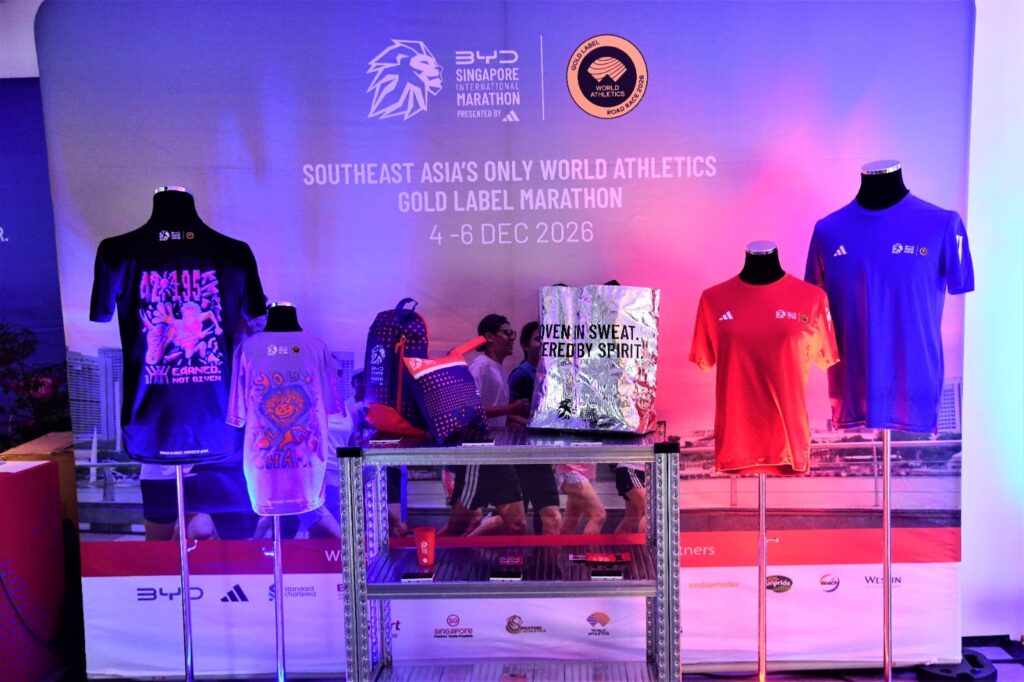
Today, the singer-songwriter is preparing to take on his first marathon as the official ambassador of the BYD Singapore International Marathon presented by adidas (SGIM) 2026.
His transformation is, in many ways, a reflection of Singapore’s running scene itself.
Running has changed. It is no longer just about heading out alone, chasing a personal best and going home. Run clubs and social runs have exploded, more people are progressing from shorter distances to half marathons and marathons, and the sport has become increasingly intertwined with community and lifestyle.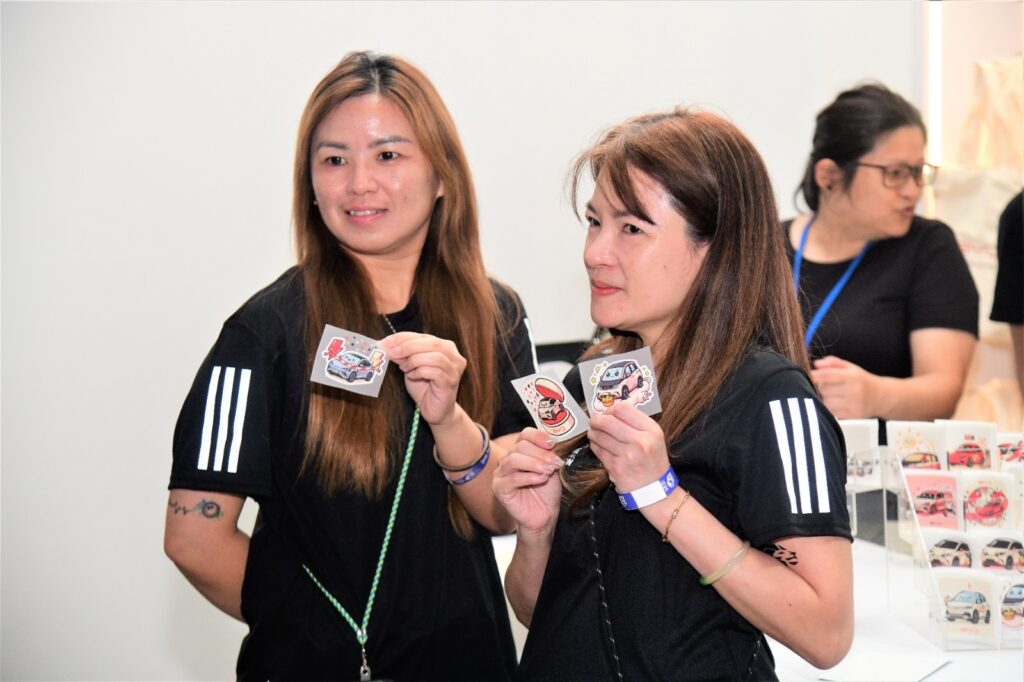


The organisers of SGIM 2026 are taking notice.
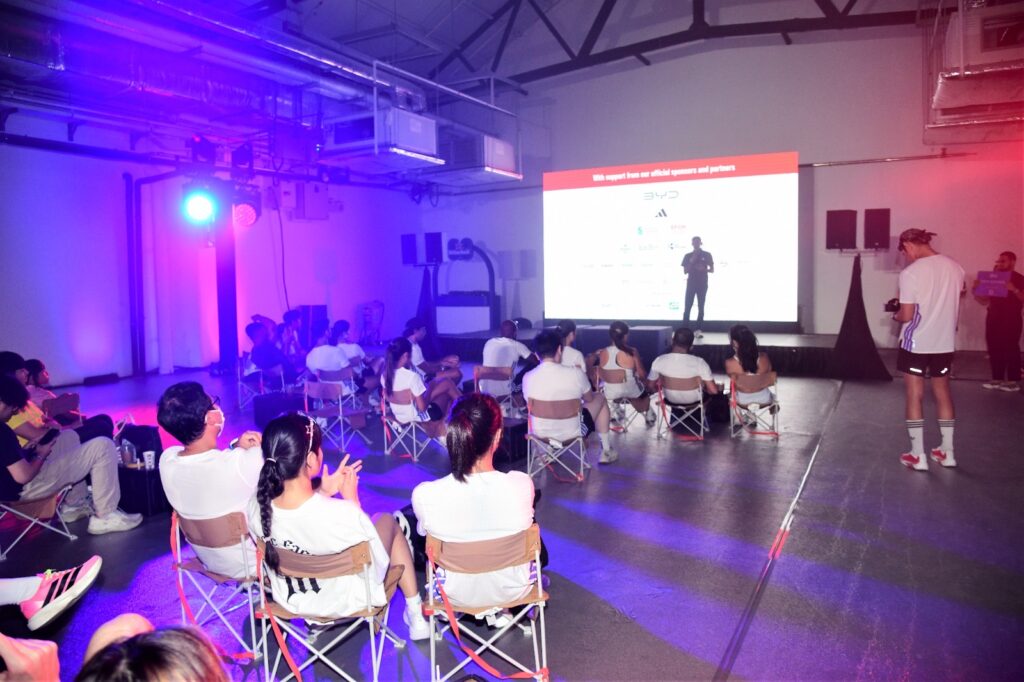
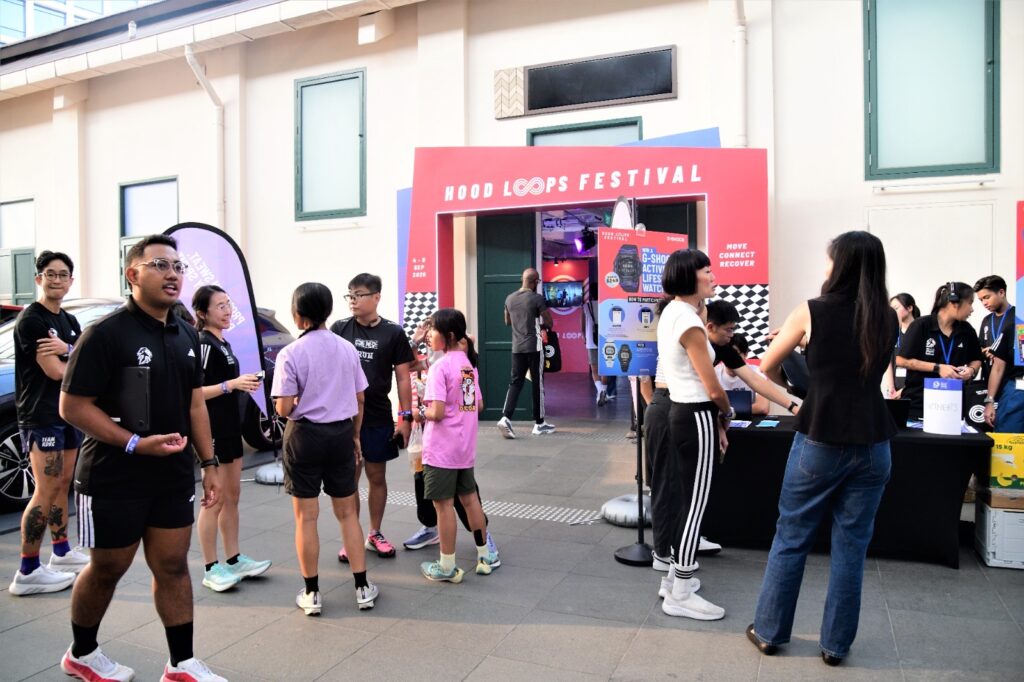
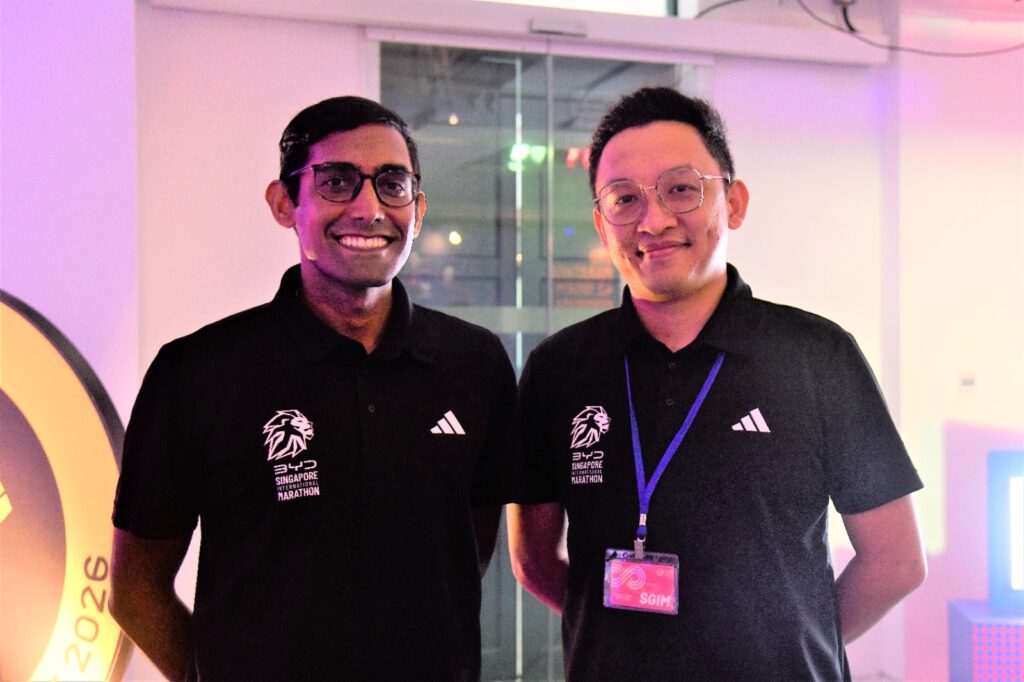
At the HOOD LOOPS FESTIVAL at Clarke Quay over the weekend, runners and the wider community got an early look at what is in store for December’s race weekend. But beyond the new route and race-day announcements, conversations with SGIM’s Event Director Shalindran Sathiyanesan, Race Director Weisong Liang and ambassador Benjamin Kheng revealed something more interesting:
SGIM is trying to evolve with the way Singapore runs today.
More than just a December race
For Shalindran, the idea behind HOOD LOOPS was about getting people involved with SGIM long before race day.
“We wanted to build momentum towards SCSM beyond just the traditional race announcements or initiatives,” he said.
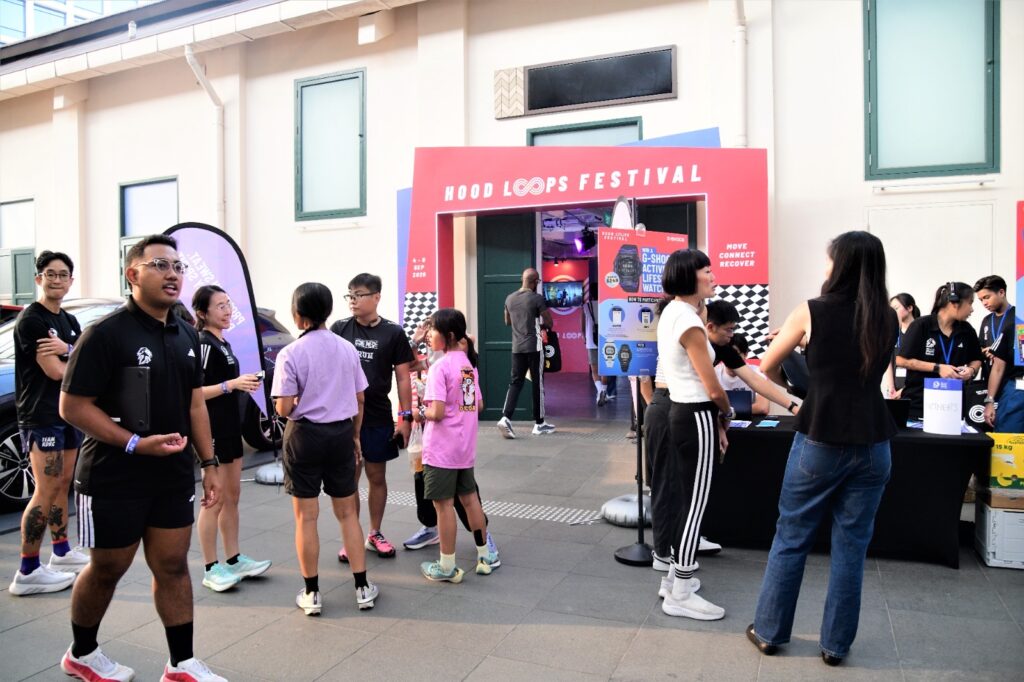


Instead of simply asking runners to turn up at the start line in December, the organisers want to create more opportunities for people to engage with the event throughout the year.
That explains the festival’s deliberately broad programme.
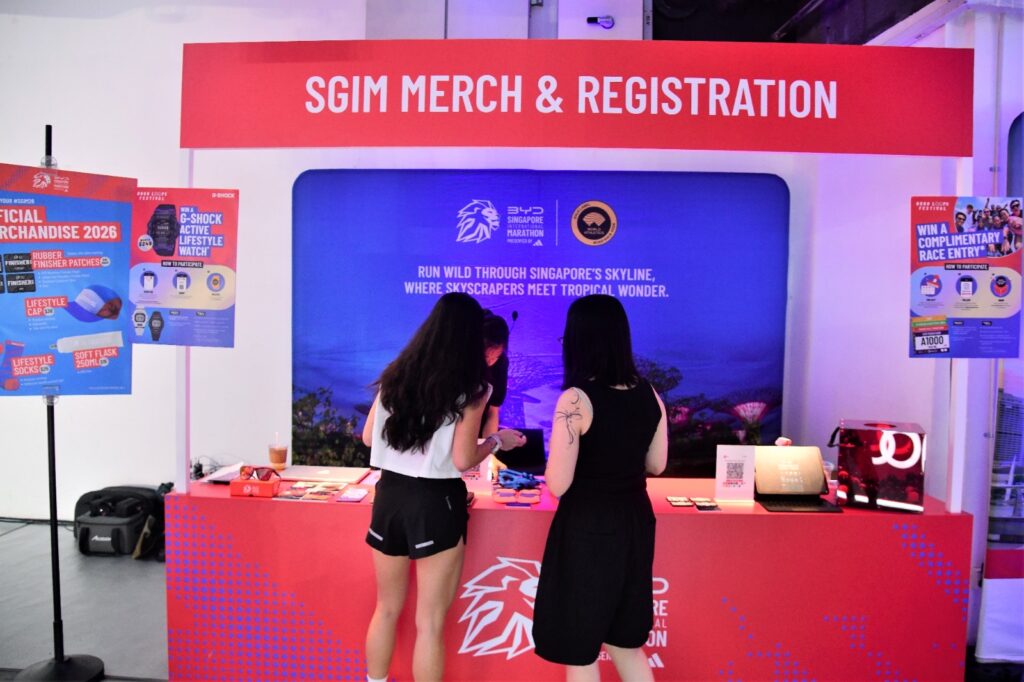
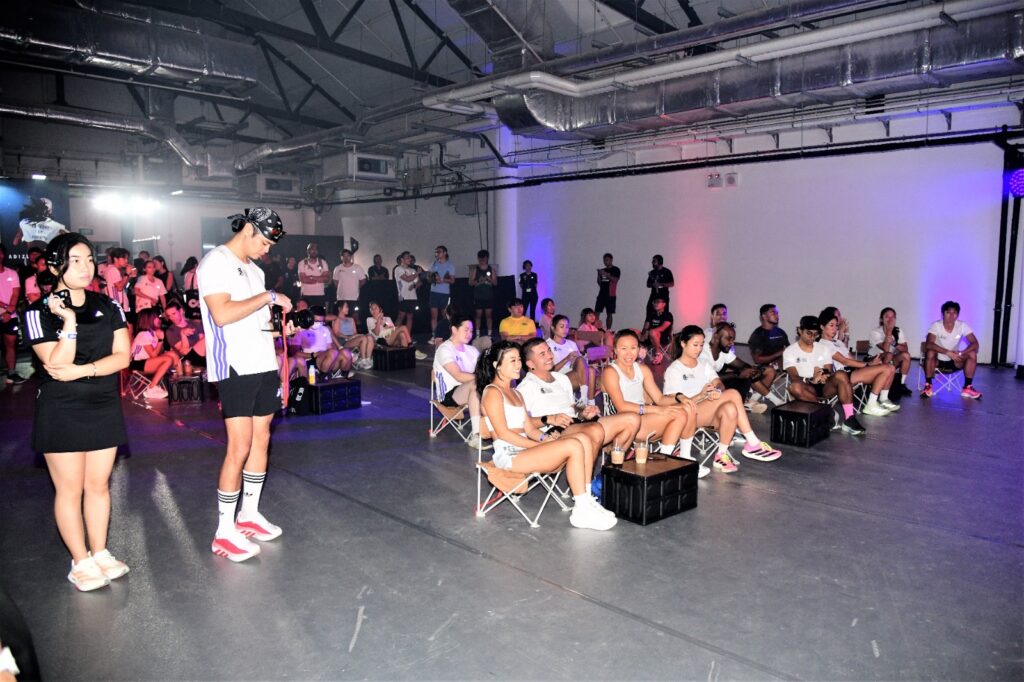
There were community runs, inclusive runs involving visually impaired and PWD athletes, HIIT, yoga, art jamming, talks, live entertainment and activities involving run clubs and other members of the community.
And you didn’t have to be a runner to participate.
That was the point.
Shalindran said SGIM wants to connect not only with existing runners, but also with people who have yet to register or perhaps don’t even consider themselves runners.
Ultimately, he hopes someone who arrives thinking they are not a runner could leave thinking:
“I actually can do it.”
That is a significant shift in thinking for a marathon that has traditionally been defined primarily by what happens on race day.
The runners helped shape the new course
Of course, the big question for anyone who is actually running SGIM 2026 is: what’s new on the course?
The marathon and half marathon routes have been redesigned following feedback from runners, with the organisers placing greater emphasis on the overall race experience.
One of the most notable changes is the inclusion of Benjamin Sheares Bridge in both the marathon and half marathon routes.
It is also likely to be one of the most talked-about sections.
For runners, the bridge presents a challenge. But it also offers one of the most recognisable Singapore views, with Marina Bay Sands and the city skyline in the background.
Weisong admitted that some runners will probably love it while others may not be quite as enthusiastic.
But there’s a consolation prize.
There will be photographers positioned around the area, potentially giving runners one of those iconic race photographs that makes the climb worthwhile.
Because if you’re going to suffer on a bridge, you might as well get a good photo out of it.
Designing around Singapore’s heat
The route has also been planned with one unavoidable Singaporean factor in mind: heat and humidity.
Marathon runners will tackle the more exposed West Coast Highway earlier in the race, while East Coast Park — with its greenery and shade — comes later.




For runners training in Singapore, this is something worth paying attention to.
The order in which you encounter exposed roads, shade and different parts of the course can make a significant difference when you’ve already been running for two or three hours.
The organisers say they are also putting greater emphasis on hydration, medical coverage and race support.
Weisong said safety has been one of the key areas of feedback from runners, and the team is looking at everything from aid stations and drinks to medical response.
One of the initiatives being used to strengthen that support is the Medic Runners programme, which places medically trained runners within the race environment.
The aim is straightforward: when runners turn up in December, they should feel that they are being looked after.
What does a Singapore marathon actually taste like?
Here’s one of the more unexpected things I learned from speaking to Weisong.
The organisers asked runners what they wanted to see on the course.
One response came up repeatedly:
More Singapore.
Not just the skyline. Not just the landmarks.
Singaporean touches throughout the race.
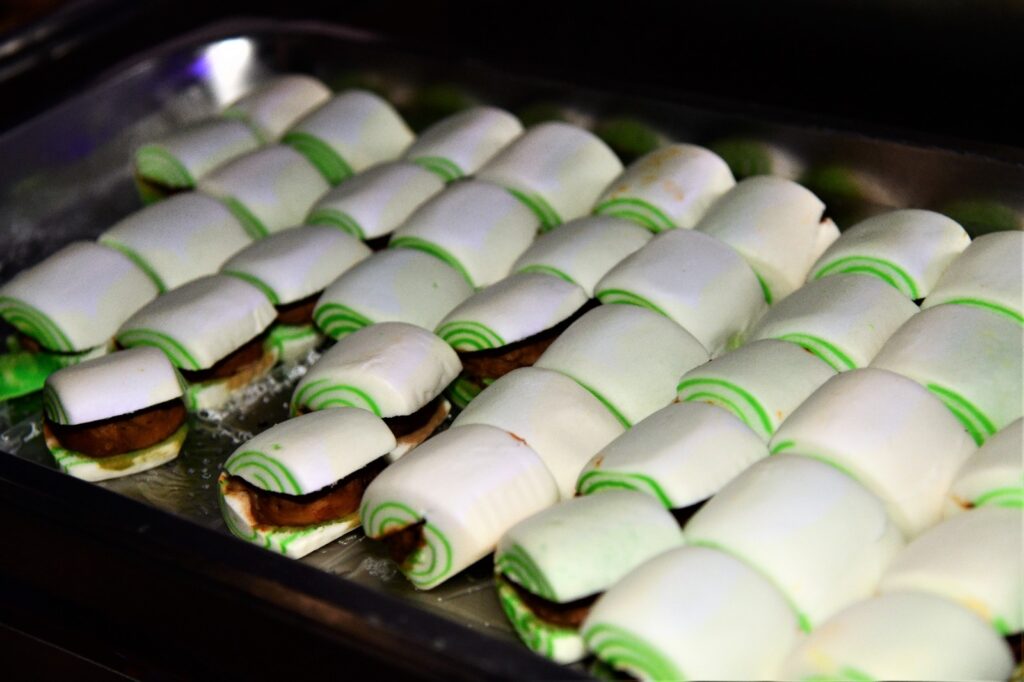
That could mean local food and refreshments at aid stations, with the organisers exploring options such as curry puffs, fish balls and local desserts.
It sounds like a small detail, but it could make a surprisingly big difference to the character of the race.
For overseas runners, it becomes something they can associate specifically with running in Singapore.
And for Singaporeans, it gives the marathon a little more of a home-grown identity.
Weisong wants foreign visitors to leave remembering it as the race in Singapore, rather than simply another marathon held in another city.
The marathon sold out first — and many are first-timers
Perhaps the most revealing statistic from the organisers is that the marathon was the first SGIM category to sell out this year.
Even more interestingly, many of those participants will be running their first marathon.
It is another sign of how Singapore’s running population has evolved.
People who started running during or after the pandemic are now progressing to longer distances. What may have started as a few kilometres around the neighbourhood has become a goal of completing 42.195km.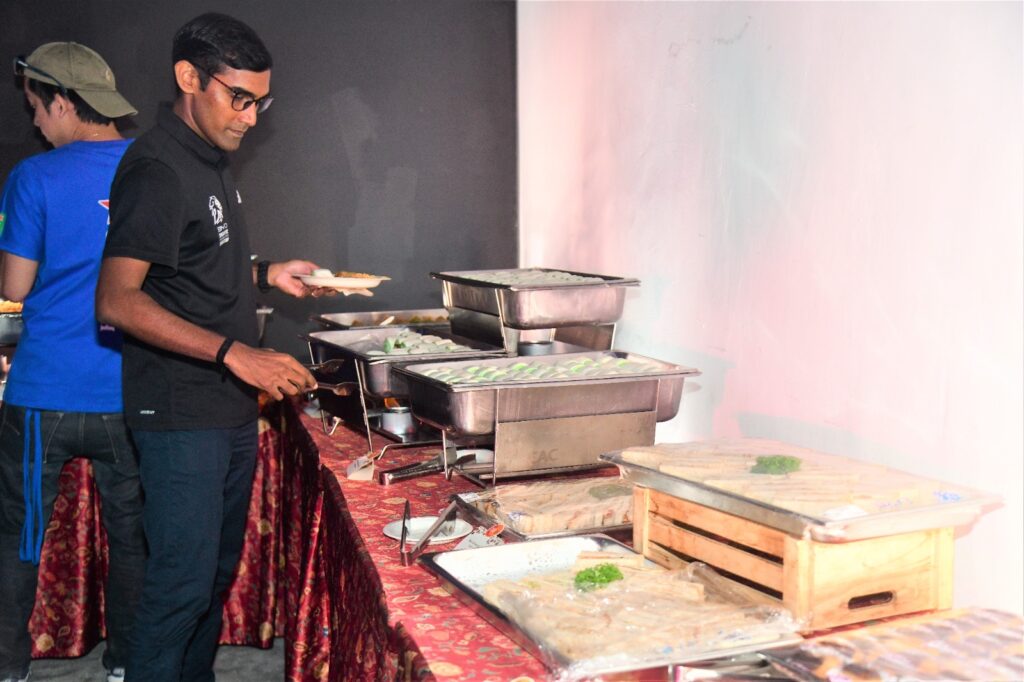

But that also means a marathon has to cater to a different kind of participant.
For an experienced marathoner, the questions might be:
Can I break four hours?
Can I run a PB?
Can I qualify for Boston?
For a first-timer, the question is often much simpler:
Can I finish?
That is why Weisong’s advice to new marathoners is refreshingly sensible.
Don’t overtrain.
Don’t try to force your pace.
Understand your own capabilities and focus on finishing the distance safely and effectively.
The organisers are backing that up with a 16-week training programme and a training guide prepared with national runner and former champion Soh Rui Yong, covering areas such as pacing, nutrition and race strategy.
The philosophy is to progress.
Get through your first marathon, learn from the experience, and then come back the following year and try to improve.
The seven-hour pacer could be a game-changer for some
One small but potentially important addition is the introduction of a seven-hour pacing group.
For runners at the front, pacers are often about chasing a target time.
For slower runners, however, a pacer can provide something even more important: reassurance.
The seven-hour pacer will effectively serve as the sweeper line, giving runners a visible indication of whether they are still ahead of the race cut-off.
As Weisong explained, if you’re running or walking ahead of that pacer, you know you’re still in the race.
For someone attempting their first marathon, that can take away a lot of anxiety.
Instead of constantly wondering “Am I going to get cut off?”, there is a moving reference point right in front of them.
Making SGIM more inclusive
Inclusivity is another area where the organisers are looking beyond simply putting a tick beside the word.
HOOD LOOPS included community runs involving visually impaired and PWD athletes, but Shalindran stressed that accessibility isn’t simply about inviting people to participate.
Organisers also need to understand the practical realities involved.
What does an athlete with a particular disability actually need during the race?
What challenges might they encounter?
How can organisers make the experience better?
The festival gives SGIM an opportunity to work with athletes and community partners, build those relationships and learn from their experiences before race weekend.
For Shalindran, the broader principle is about creating opportunities for people with different abilities and experiences to feel that SGIM belongs to them too.
Benjamin Kheng: From “I’m not a runner” to his first marathon
And then there’s Benjamin.

Benjamin Kheng
His presence as SGIM’s official ambassador makes sense when you hear how he talks about running.
It didn’t start as some carefully planned athletic pursuit.
It happened almost accidentally.
Benjamin described running as an outlet — something that gave him a way to process what he was experiencing with work and life.
Then he became hooked.
He also discovered the running community.
While run clubs have their critics, Benjamin said he likes what they can provide: accountability, friendship and the feeling of working towards a common goal with other people.
And he understands the appeal because, not that long ago, he wasn’t part of that world himself.
“A year ago, I was not a runner,” he said.
He thought he would never run more than five kilometres.
Now he’s preparing for a marathon.
When running meets music
Perhaps inevitably, Benjamin has also found a connection between running and his career in music.
He compared running and music through concepts such as cadence, tempo, rhythm and flow state.
And he isn’t just making the comparison philosophically.
Benjamin revealed that he is working on a running-focused music project, with songs written around running tempos to accompany runners.
For someone who spends his professional life thinking about rhythm, it actually makes a lot of sense.
A good run has its own rhythm too.
You settle into your cadence, find your pace, and eventually stop thinking quite so much about the numbers on your watch.
Benjamin says he often finds himself composing music while running.
“It’s an occupational hazard,” he joked.
So perhaps Singapore’s next running soundtrack might come from someone who discovered the sport only a year ago.
“There’s a runner in everybody”
Benjamin’s most interesting comments, however, weren’t about his music project or even his first marathon.
They were about people who don’t run.
When asked what he would say to someone who doesn’t consider themselves a runner, he pointed to his own experience.
A year ago, he wasn’t one either.
His conclusion?
“I do believe there’s a runner in everybody, and we’re waiting for you.”
That sentiment fits remarkably well with the direction SGIM appears to be taking.
The race isn’t just trying to speak to experienced marathoners.
It is also trying to reach the person who has just started running.
The person joining a run club for the first time.
The person who has only ever run 5km but is wondering whether they could eventually run 42.195km.
And even the non-runner who simply wants to come along with friends or family.
So what will SGIM 2026 actually feel like?
We won’t know the answer until December.
But the conversations at HOOD LOOPS gave some clues.
There is a redesigned route, including Benjamin Sheares Bridge.
There is greater emphasis on hydration, medical support and safety.
There are initiatives aimed at making the race more accessible.
There is a 16-week training programme designed partly around the growing number of first-time marathoners.


There are more Singaporean elements being considered for the course.
And there is a clear attempt to make SGIM part of the wider running community rather than something that only exists on race weekend.
That may ultimately be the biggest story coming out of HOOD LOOPS.
The Singapore running community has changed — and SGIM is trying to change with it.
For the experienced marathoner, December will still be about the clock, the course and those final 10 kilometres.
For the first-timer, it may simply be about making it to the finish line.
And for someone like Benjamin Kheng, it might be about discovering that the person who once thought they would never run more than five kilometres can, in fact, become a marathoner.
Because perhaps there really is a runner in everybody.
Even if they haven’t discovered it yet.
Leave a Comment