
There is something special about seeing Japan and Brazil meet on a football pitch, and tonight, Singapore gets to play host to another chapter in their growing rivalry.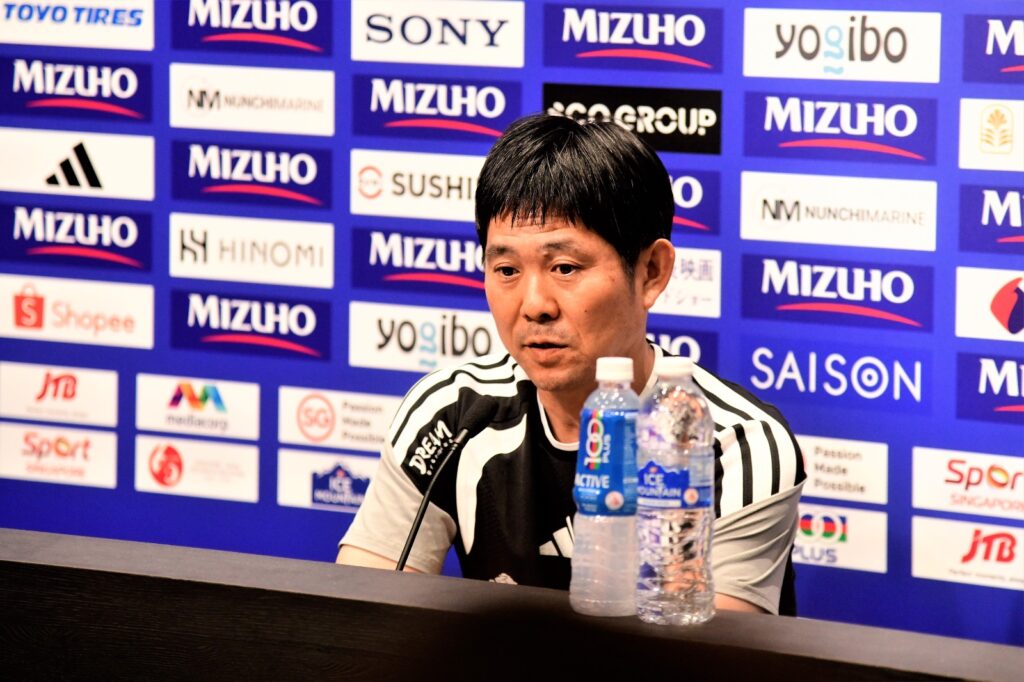
On paper, it is an international friendly. But with recent history between the two sides, two coaches at very different stages of their respective journeys and plenty of questions surrounding both national teams, there is certainly more to this encounter than simply another fixture on the international calendar.
For Japan, it is an opportunity to show that they can compete consistently with the world’s best. For Brazil, it is another important step in a rebuilding process under Carlo Ancelotti, as the five-time world champions begin shaping their next generation.
And there is no shortage of history to draw upon.
When the teams last met in October 2025, Japan produced a remarkable comeback to defeat Brazil 3–2 in Tokyo, scoring three times in the second half after trailing by two goals. It was Japan’s first-ever victory over Brazil in senior international football.
Brazil would get their revenge at the 2026 World Cup, however, coming from behind to beat Japan 2–1 after extra time in the Round of 32.
Now, just over four months later, the two teams meet again, this time in Singapore.
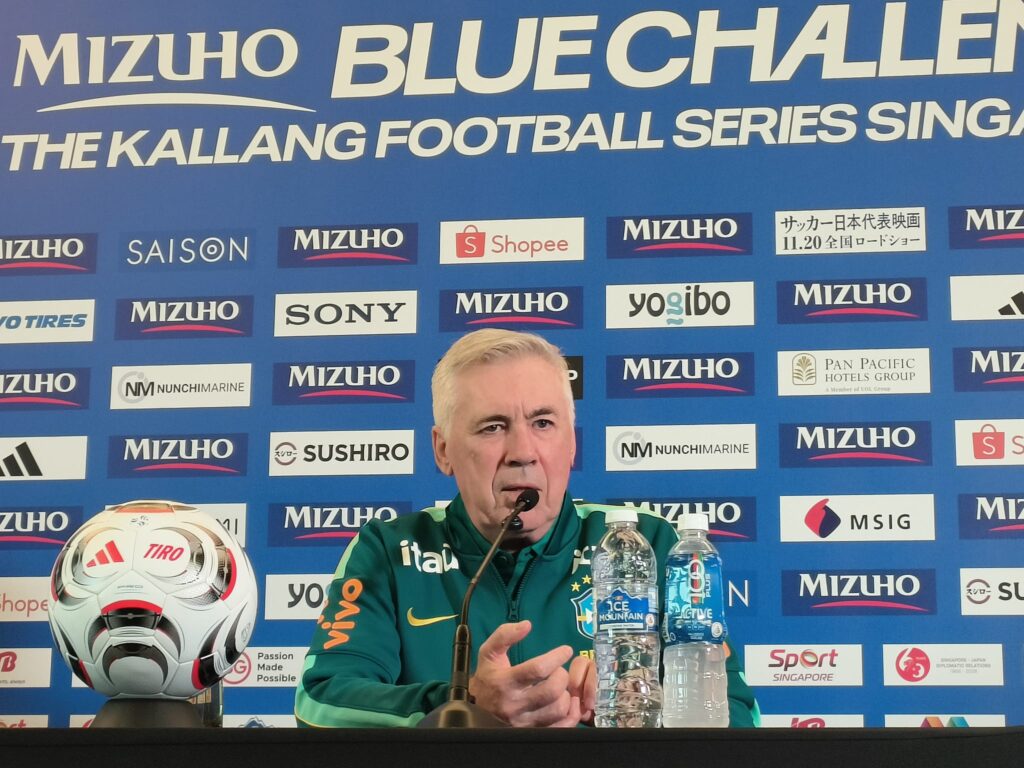
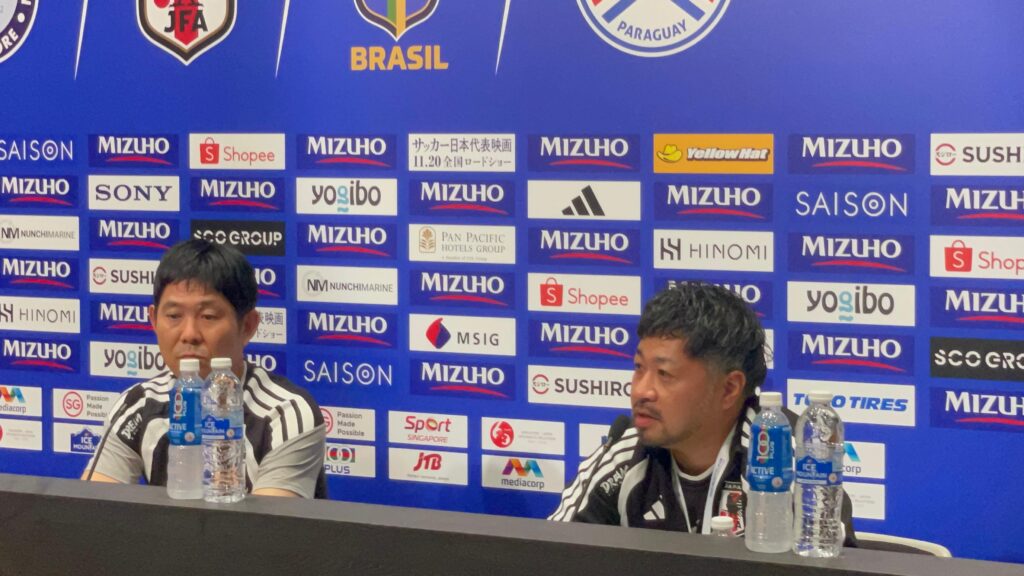
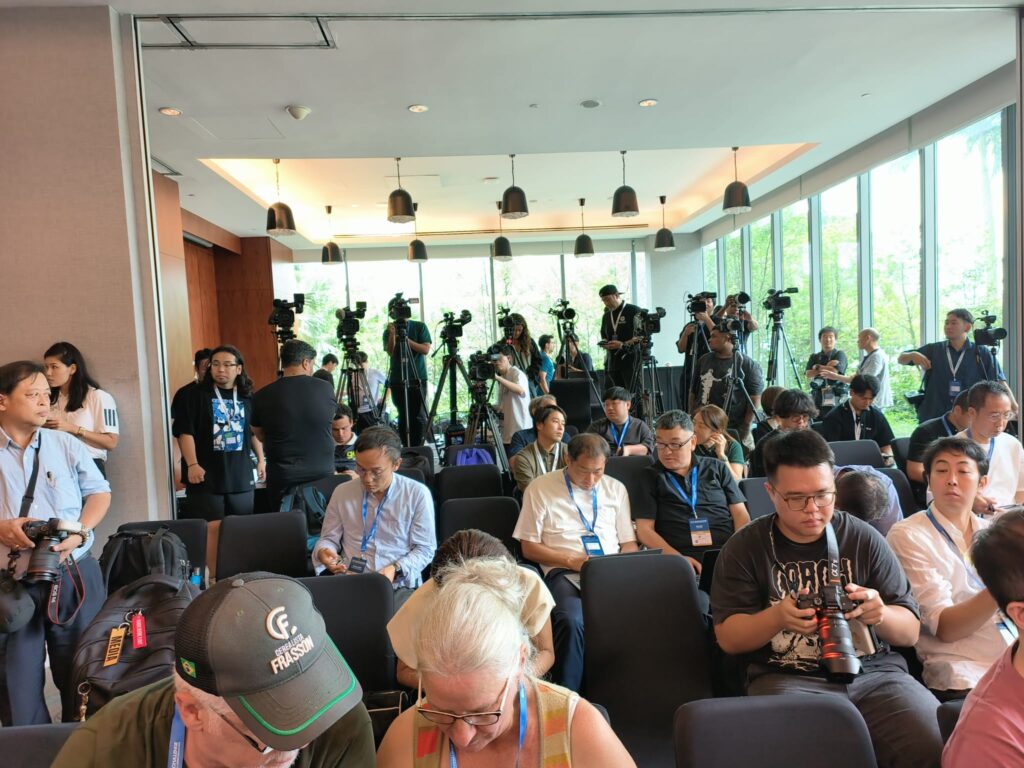
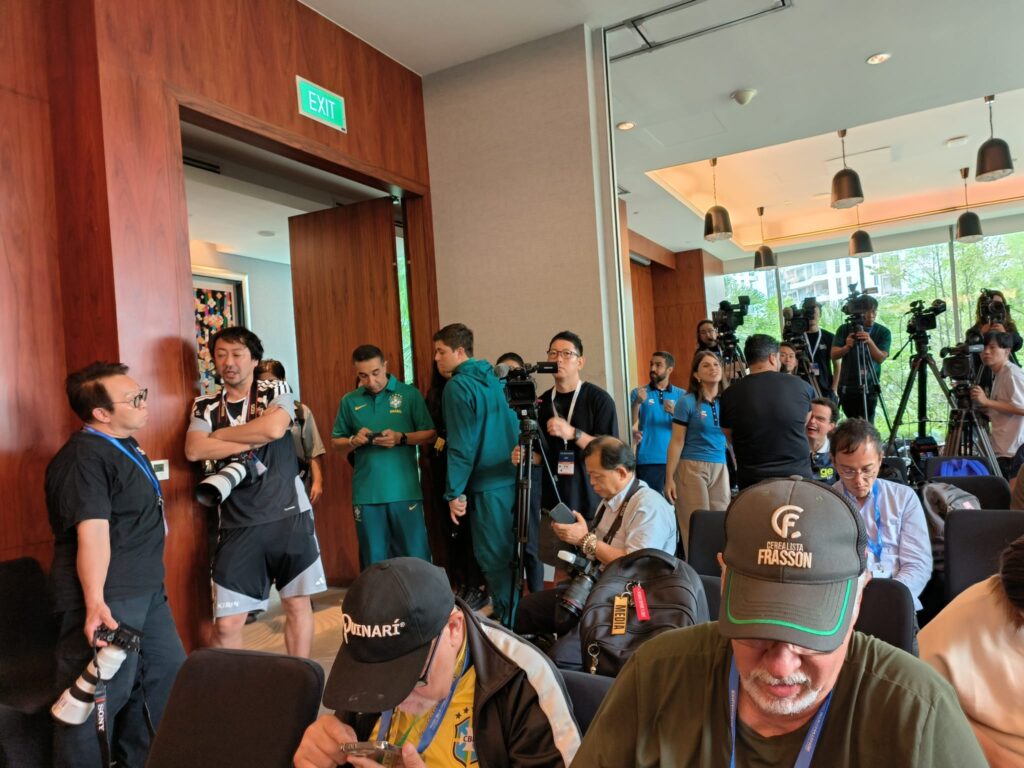
Ahead of tonight’s encounter at the National Stadium, Japan head coach Hajime Moriyasu, Brazil head coach Carlo Ancelotti and Brazilian captain Raphinha have all shared their thoughts on what promises to be a fascinating contest.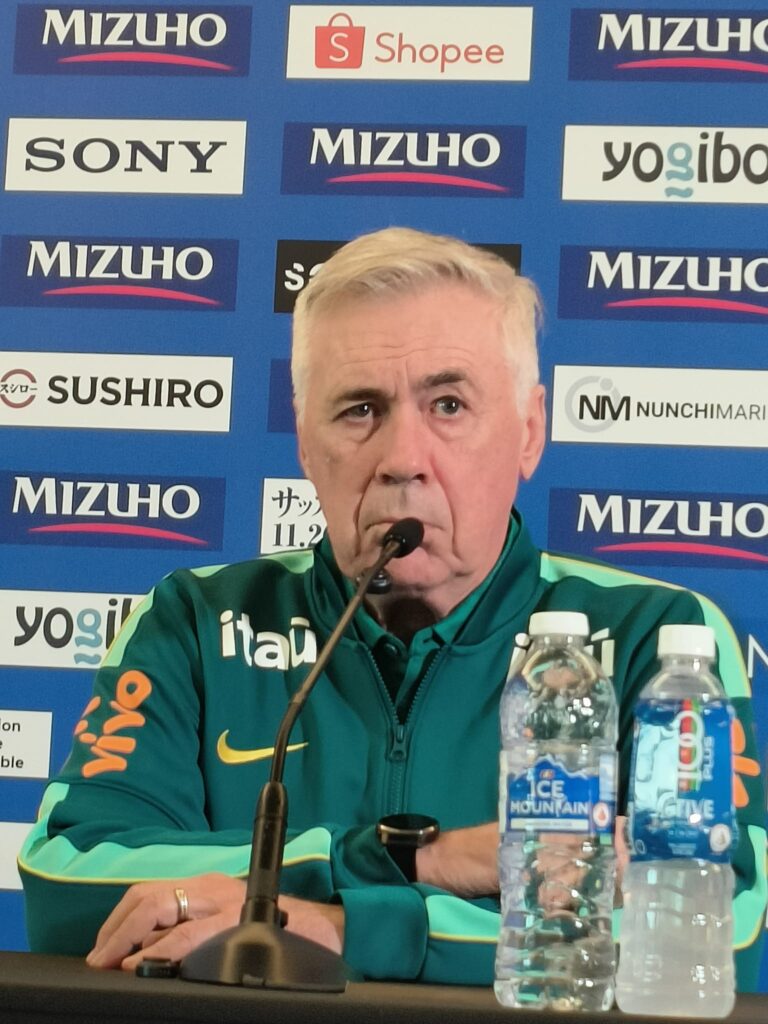
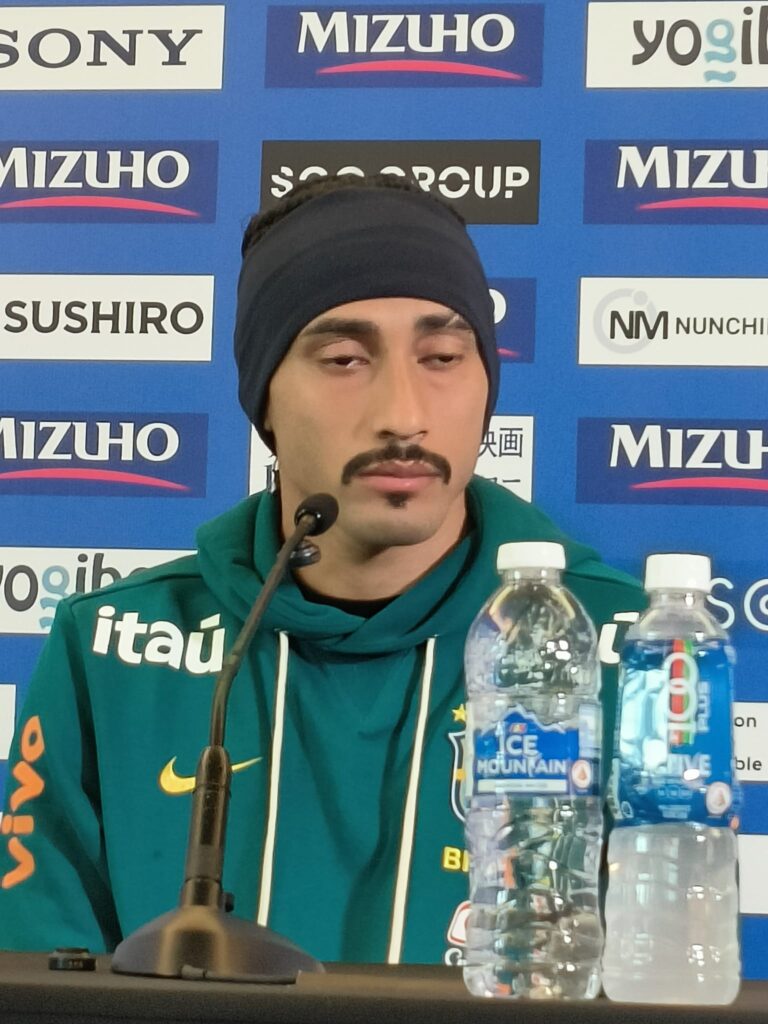
And listening to their respective press conferences, one thing becomes clear: both teams have plenty to prove, although for very different reasons.
Japan want to be equals, not underdogs
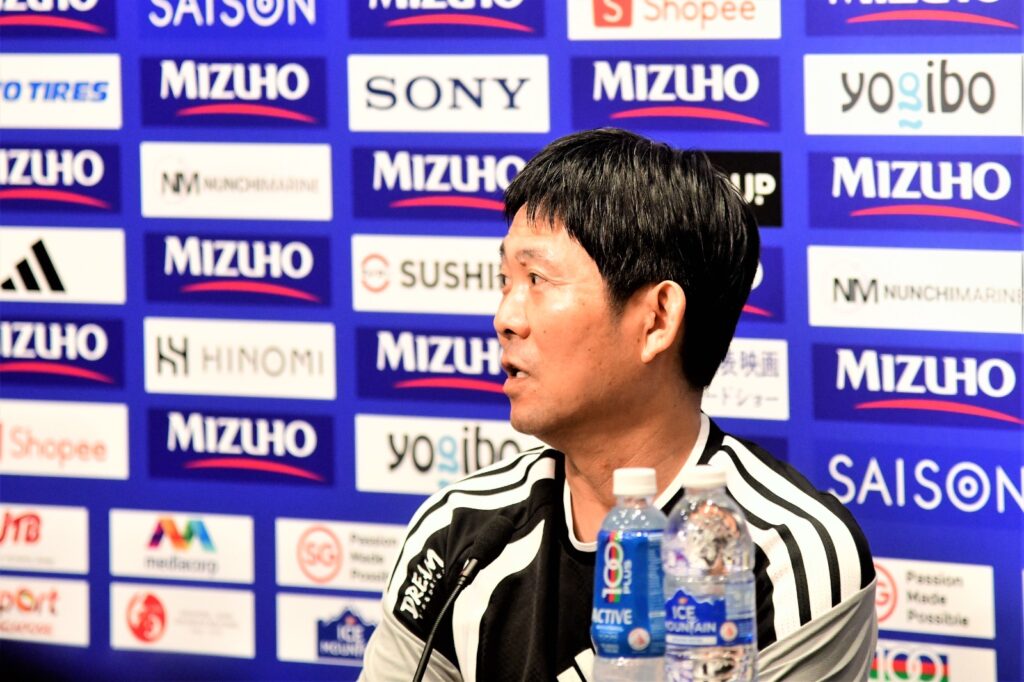
Moriyasu’s message ahead of the match was quite straightforward. Japan want to win.
But what was particularly interesting was how he spoke about the challenge of facing Brazil.
Reflecting on their World Cup meeting, the Japan coach acknowledged that the defeat exposed a difference in quality between the two teams. However, he does not want his players approaching Brazil with an inferiority complex.
His message was that Japan should not look up to Brazil. They should aim to match them.
It is a statement that reflects the growing confidence within Japanese football. The ambition is no longer simply to compete at the highest level, but to establish Japan as one of the world’s leading national teams.
Interestingly, Brazil captain Raphinha offered a similarly respectful assessment of Japan.
The Barcelona forward, who will wear the captain’s armband for the Seleção in Singapore, described Japan as physically strong and tactically well organised. He expects a difficult match and even compared the encounter to playing at World Cup level.
That is quite an endorsement.
Raphinha recognises the threat Japan pose, particularly given their previous victory over Brazil. For the Brazilian captain, this is exactly the kind of competitive test his team needs as they continue to develop.
There is also an interesting question surrounding Japan’s previous encounters with Brazil.
Moriyasu suggested that Japan’s 2025 victory may have encouraged Brazil to take them more seriously when they met again at the World Cup. While Japan were disappointed by the eventual defeat, he believes facing Brazil at their best was a valuable learning experience.
This time, the objective is to demonstrate that Japan can compete with Brazil even when there is no question of their opponents underestimating them.
That is perhaps the biggest test awaiting the Samurai Blue tonight.
Brazil: A new chapter under Ancelotti
While Japan are looking to build on an established project, Brazil are beginning another chapter.
Carlo Ancelotti’s arrival brought enormous attention, and there is naturally considerable expectation surrounding his work with the national team.
Few countries carry the same footballing history as Brazil. Five World Cup titles, generations of legendary players and a footballing identity recognised around the world mean that supporters expect more than simply getting results.
They want to see a team that plays with quality, confidence and the identity associated with the famous yellow shirt.
Brazil’s World Cup campaign ended in the Round of 16 after their defeat to Norway, and Ancelotti is now tasked with rebuilding the squad and preparing for the next international cycle.
Raphinha addressed the responsibility of representing Brazil during his press conference, describing it as an enormous honour and privilege.
He was particularly emphatic about the expectations that come with wearing the shirt, stating that he considers Brazil the greatest national team in the world.
For him, every player must understand that responsibility. Supporters expect victories, but they also want to see the team playing well. When those expectations are not met, criticism is inevitable.
Raphinha admitted that criticism can be difficult to ignore, especially when players know they are giving everything for their country. Footballers are human, he pointed out, and naturally feel affected by negative reactions.
Nevertheless, he understands that it comes with the territory.
His comments offered an interesting glimpse into the pressure surrounding Brazil’s rebuilding process. There is plenty of talent available, but finding the right balance between established players and the next generation is not necessarily straightforward.
Ancelotti appears to be using these international windows to explore his options.
He spoke positively about the younger players coming into the squad, highlighting their quality, commitment and potential. The coaching staff have also been experimenting with different positions and tactical arrangements.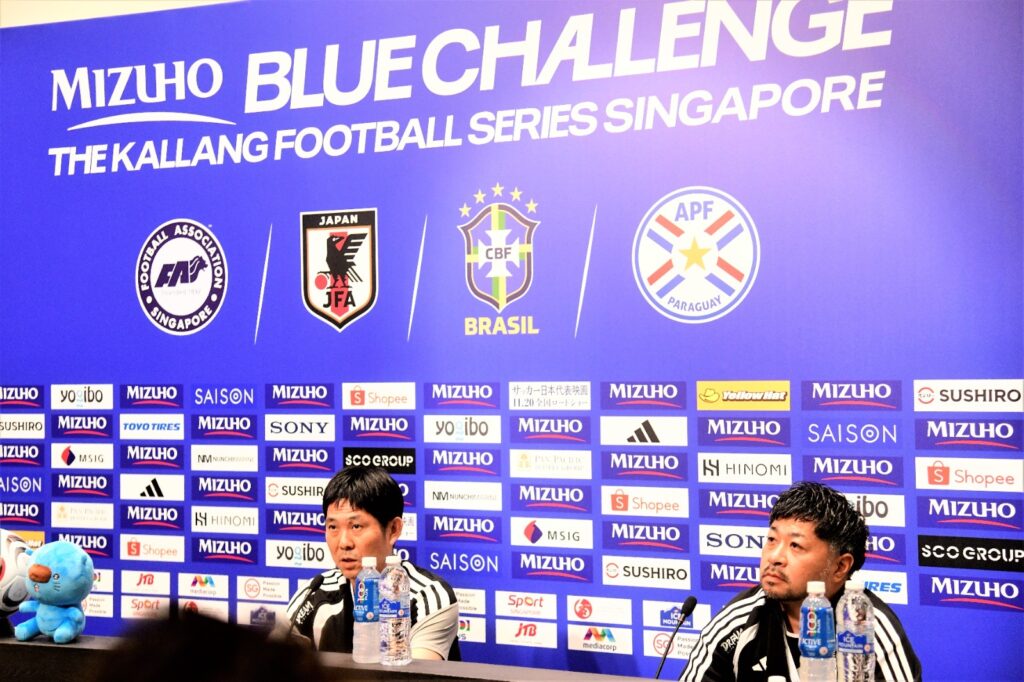
Players such as Rian and André have been tested in alternative roles, with Ancelotti particularly encouraged by André’s strength, commitment and potential.
Interestingly, the coach also spoke about the importance of these matches in helping him identify players who can offer something different to the team.
With 15 of Brazil’s 26 squad members under the age of 23, there is a clear emphasis on the future.
The longer-term objectives include the 2028 Copa América and, ultimately, the 2030 World Cup.
But before Brazil can think too far ahead, they need to establish a team capable of meeting the expectations that come with representing their country.
Facing Japan is another important part of that process.
Two coaches, two different stages of their journeys
Perhaps one of the more interesting aspects of the press conferences was how much both coaches spoke about the future, despite being at very different stages of their respective projects.
For Moriyasu, tonight’s match carries additional significance.
After eight years in charge of Japan, his time as head coach is approaching its conclusion. He will lead the team against Brazil and then Paraguay on 17 November before handing over to Go Oiwa.
Understandably, there was a reflective tone to some of his comments.
When asked about his time in charge, Moriyasu was surprisingly candid about some of the more difficult moments.
He singled out Japan’s defeat to Oman in the opening match of the final Asian qualifiers for the 2022 World Cup as one of his most disappointing experiences.
He admitted that he had not provided his players with sufficient tactical guidance or confidence, preventing them from expressing themselves properly on the pitch.
It was an honest reflection and one that showed he was willing to take responsibility for the team’s shortcomings.
When discussing what he considers one of his more significant achievements, however, he did not focus on a particular tournament or memorable victory.
Instead, he highlighted the depth of the Japanese national team.
He believes Japan have made progress in becoming less dependent on a handful of outstanding individuals, with the overall quality of the squad becoming more balanced.
The aim is to build a team capable of maintaining its standards regardless of which players are selected.
It is an important foundation for a country with ambitions of becoming one of the world’s best.
Moriyasu also spoke about Japanese football being developed through the efforts of generations before him. He sees himself as one contributor to that journey and hopes to leave something meaningful for the next generation.
Ancelotti, meanwhile, is at the beginning of his own journey with Brazil.
His task is to assess the available talent, introduce younger players and establish the combinations that can form the basis of the next generation.
One coach is reflecting on what he hopes to leave behind, while the other is building something new.
Yet both understand that the present matters just as much as the future.
Moriyasu wants Japan to win against Brazil, not simply use the match as a learning exercise. Ancelotti wants his players to develop, but Brazil’s expectations mean that winning remains an important part of the process.
It makes for an interesting contrast between the two dugouts.
Tactical flexibility and the search for answers
There were also some interesting tactical details from both press conferences.
Moriyasu confirmed that Japan are continuing to develop their ability to play with both a back three and a back four.
This is not intended to be a temporary experiment. The coaching staff have already explored both systems during previous international matches, and the intention is to make the players increasingly comfortable adapting to different formations.
With 14 members of the World Cup squad involved again, Japan have a degree of continuity while also having opportunities to explore different combinations.
Moriyasu wants to see a more aggressive approach against Brazil. Defensively, that means engaging opponents more frequently and applying greater pressure. In attack, he wants to see more shots and more chances created.
In other words, Japan want to take the initiative rather than simply respond to what Brazil do.
Ancelotti is also exploring different tactical possibilities within his squad, experimenting with players in alternative positions and looking at different profiles for certain roles.
His comments about Rian and André suggest that he is interested in having players who can offer different characteristics depending on the situation.
It is interesting that both teams are using these international fixtures to expand their options.
For Japan, the question is whether greater tactical flexibility and confidence can help close the gap against the world’s best.
For Brazil, it is about discovering the right combinations and ensuring that their new generation can adapt to different demands.
Tonight’s match should provide some useful answers for both.
Raphinha’s commitment and Singapore’s warm welcome
Away from the tactical discussions, Raphinha also offered a more personal insight into his commitment to the Brazilian national team.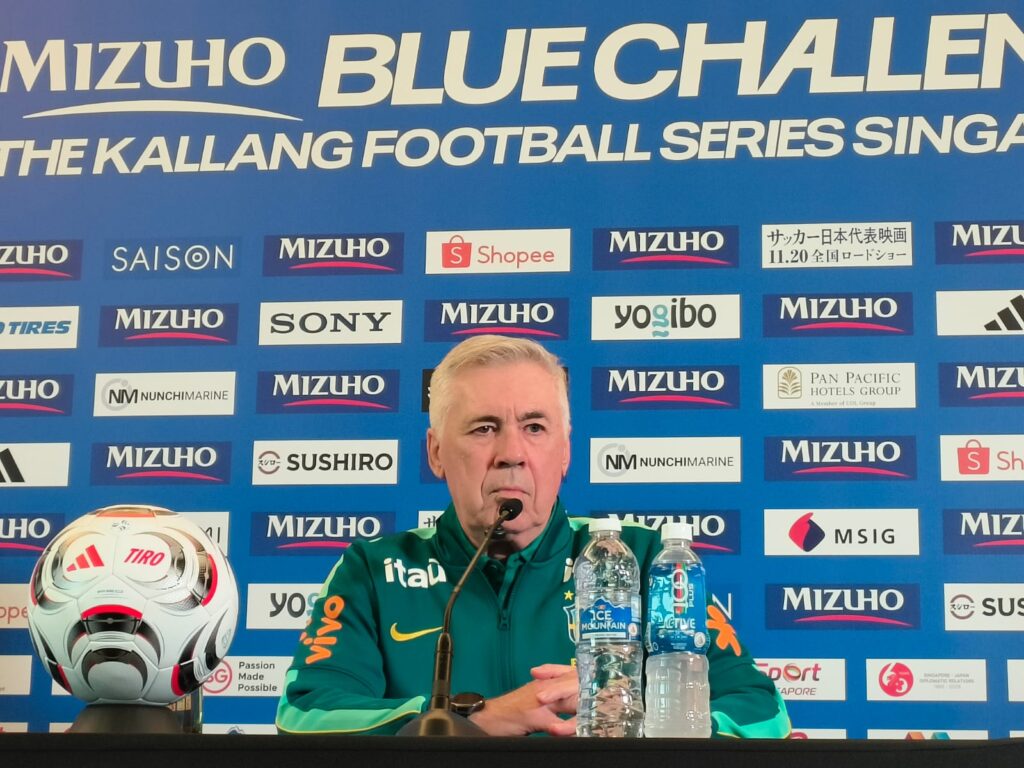
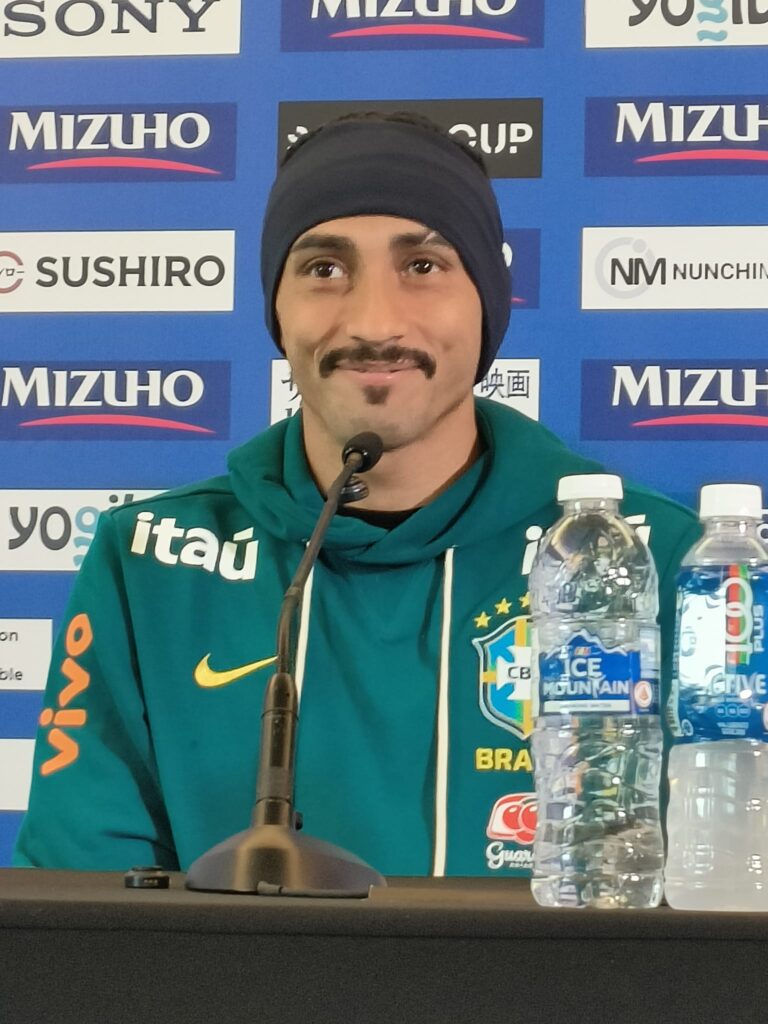
The Barcelona forward revealed that he had brought forward a minor ear procedure to ensure he could be available for the November international fixtures.
He was keen to make it clear that his desire to represent Brazil has never been in question. Wearing the national team shirt, he explained, has always been something he considers an honour.
Having dealt with injuries during previous international windows, he wanted to make sure he could join the squad and represent his country again.
There was also plenty of appreciation for the reception Brazil have received in Singapore.
Raphinha thanked local supporters for the affection shown towards the players, mentioning fans who have been waiting for photographs, autographs and opportunities to meet the squad.
Moriyasu had a similar message of gratitude, recalling how Singaporean supporters had backed Japan during the previous World Cup.
He spoke about public viewing events held across the island and thanked those who had supported the Japanese national team throughout the tournament.
His message went beyond simply thanking Japanese supporters living in Singapore. He hopes the match will give people across Asia something to take pride in, as Japan attempt to compete against one of the world’s strongest footballing nations.
It is a nice reminder of the wider significance of bringing these two teams to Singapore.
For local supporters, it is an opportunity to see some of international football’s biggest names up close. For the players, it is a chance to experience the enthusiasm of fans who may not always get the opportunity to watch these teams in person.
Judging by Raphinha’s comments, the Brazilian squad have certainly enjoyed their welcome.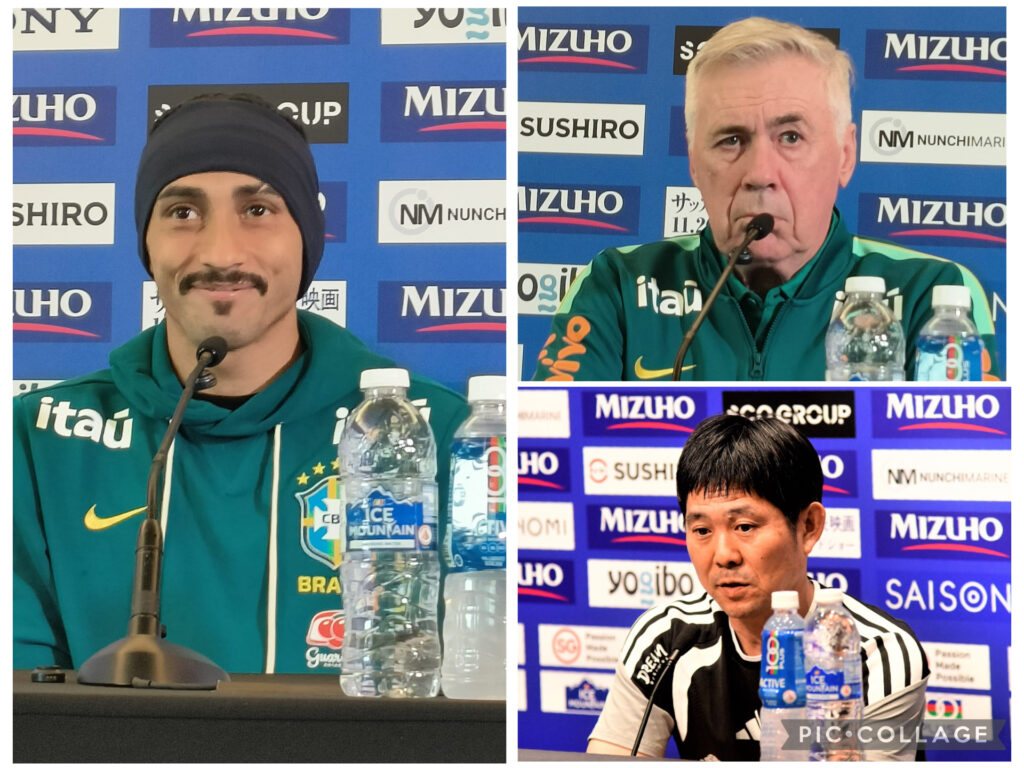
More than just a friendly
Ultimately, what makes tonight’s encounter interesting is that both teams have something to prove, but neither is necessarily trying to prove the same thing.
Japan want to demonstrate that they can compete consistently with the world’s best. Their victory over Brazil in 2025 showed what is possible, but the World Cup defeat provided a reminder that there is still a gap to close.
For Moriyasu, it is also an opportunity to bring his eight-year tenure towards a fitting conclusion, before his final match against Paraguay next week.
Brazil, meanwhile, are looking to establish the foundations of a new generation under Ancelotti. There is talent coming through, experienced players still carrying responsibility and a captain in Raphinha who clearly understands what representing the Seleção means.
For Ancelotti, every international window is another opportunity to discover what this group can become.
There is no trophy at stake, no qualification campaign riding on the result and no reason to pretend that a friendly carries the same weight as a competitive World Cup encounter.
But that does not make it unimportant.
Japan want to show how far they have come. Brazil want to show where they are going.
And for Singapore, it is a chance to witness two footballing nations with extraordinary histories, different ambitions and plenty to prove sharing the same pitch.
The talking has certainly been interesting. Now it is time to see what happens under the lights at the National Stadium.
Japan want to show they belong among the elite. Brazil want to show that their rebuilding process is heading in the right direction.
Tonight, Singapore gets to see how both teams measure up.
Leave a Comment