
TriFactor Singapore 2026 wasn’t just another race weekend at East Coast Park. It felt like a glimpse into where endurance sports are headed next.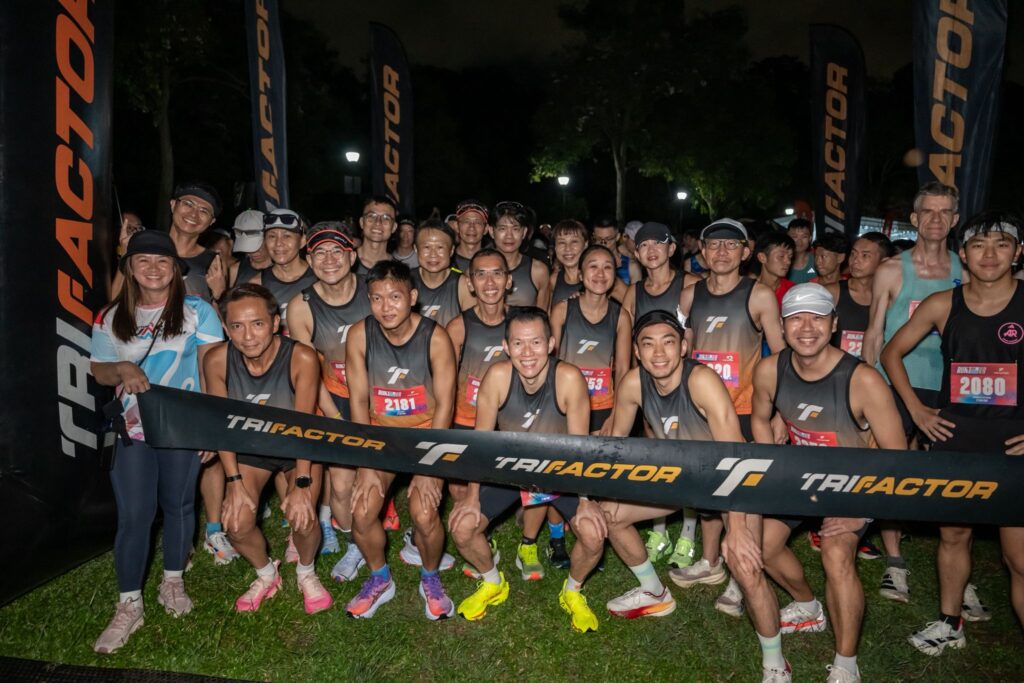
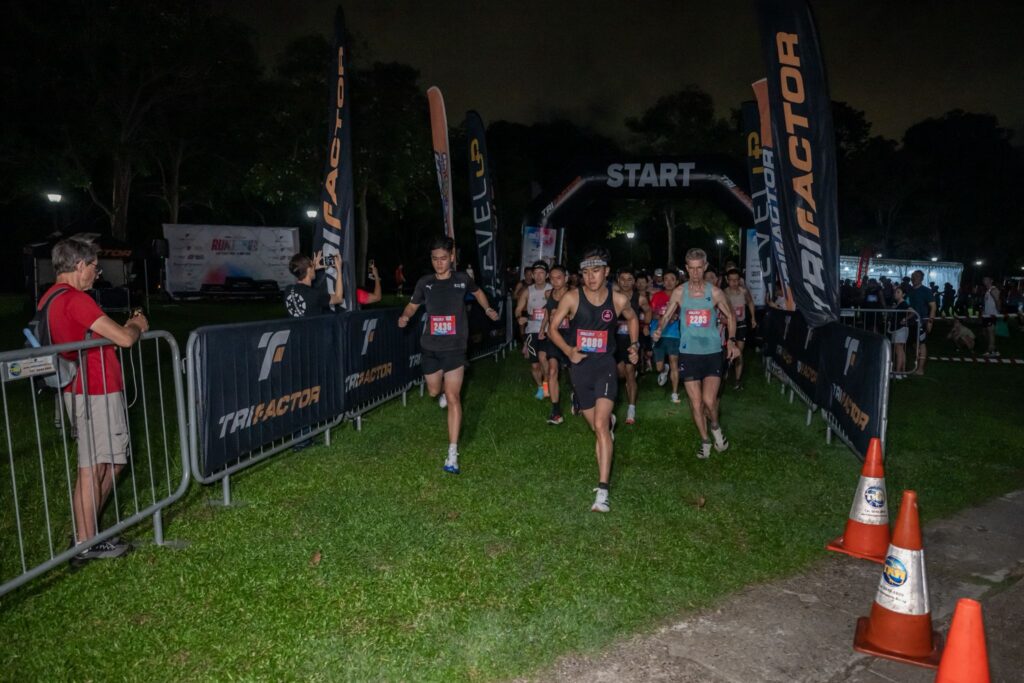
At sunrise, runners surged off the start line as cheers echoed across the coastline. By midday, exhausted athletes were plunging into ice-cold recovery drinks, swapping race stories under festival tents, and celebrating personal bests with teammates from more than 30 countries. But behind the medals and finish-line photos, this year’s TriFactor carried a deeper message: big sporting events can go hard on performance without going hard on the planet.
Drawing 1,500 participants
Now in its 17th edition, the TriFactor Run & RunSwim returned bigger than ever, drawing close to 1,500 participants, a nearly 23% jump from the previous year.
Yet the headline achievement wasn’t only the turnout. For the first time in the event’s history, the entire race village operated on 100% sustainable power, cutting an estimated 115.3kg of carbon emissions that would otherwise have come from diesel generators.
For founder Elvin Ting, the move signals a new chapter for the regional multisport scene.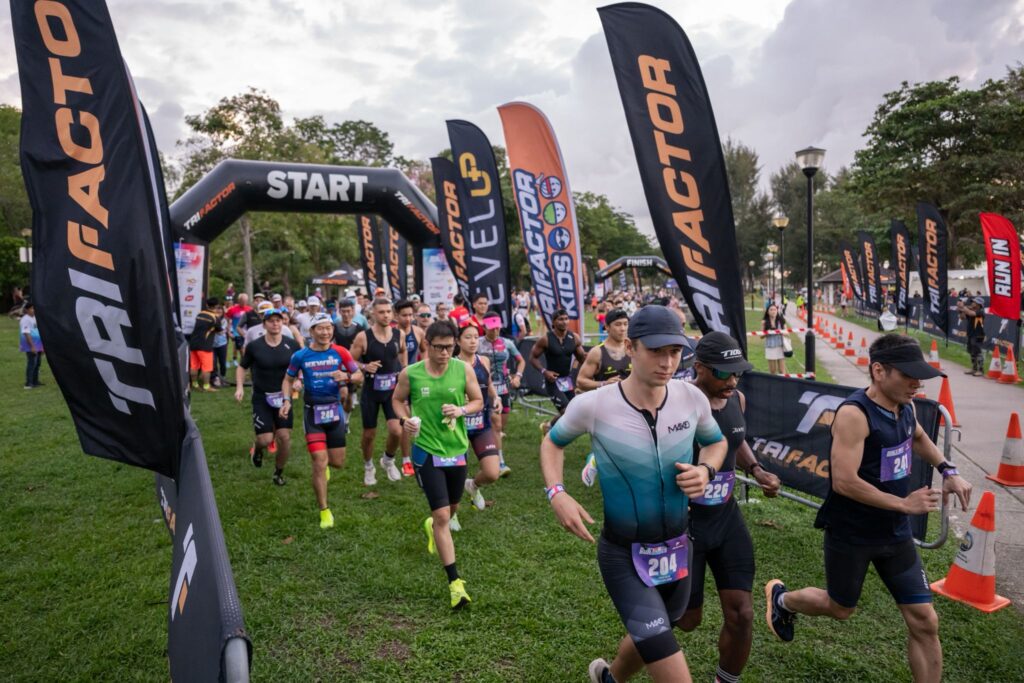

“We are proud to partner with GoRentalSG in our commitment towards a greener tomorrow,” he said. “This year proves that high-octane sporting events can coexist with a low carbon footprint.”
That philosophy was visible throughout the event. The usual roar of generators was replaced by quieter clean-energy systems powering hydration booths, athlete welfare stations, and recovery lounges. Sustainability wasn’t treated like a side campaign; it was embedded into the race experience itself.
And the racing? Relentless.
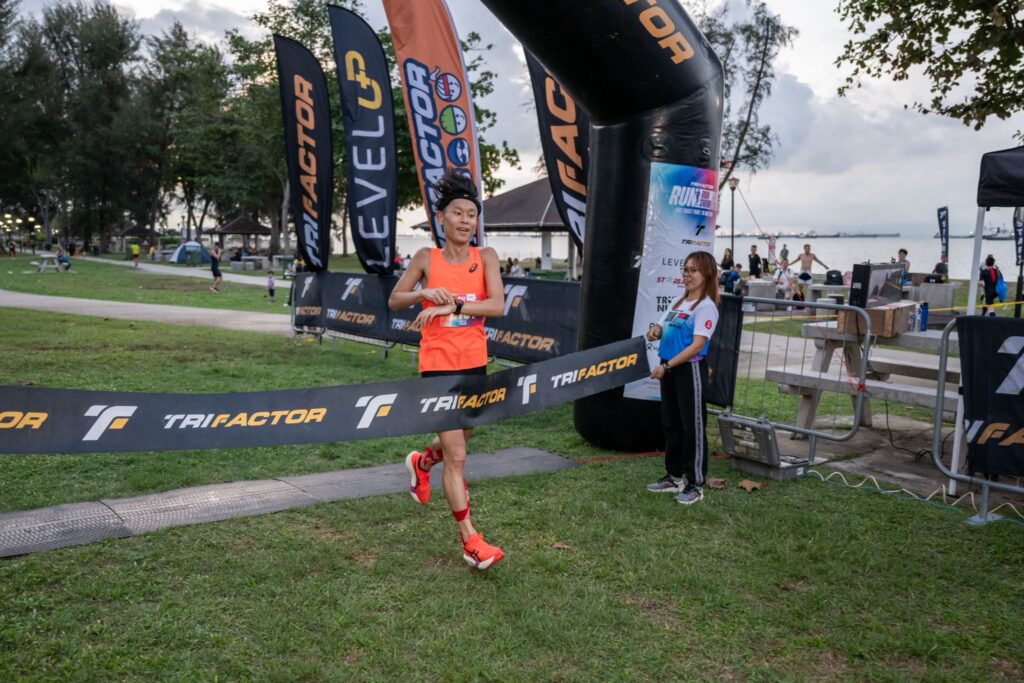
The 21km category delivered one of the most competitive fields in recent TriFactor history. Japan’s Akihiko Tada stormed to victory in 1:20:41, holding off strong challenges from Nicholas Rachmadi and Neil McLoughlin.
In the women’s race, Rianne Payne delivered a commanding performance, crossing the line in 1:32:12 ahead of Voi Ngand Hor Tse Xin.
It is about community
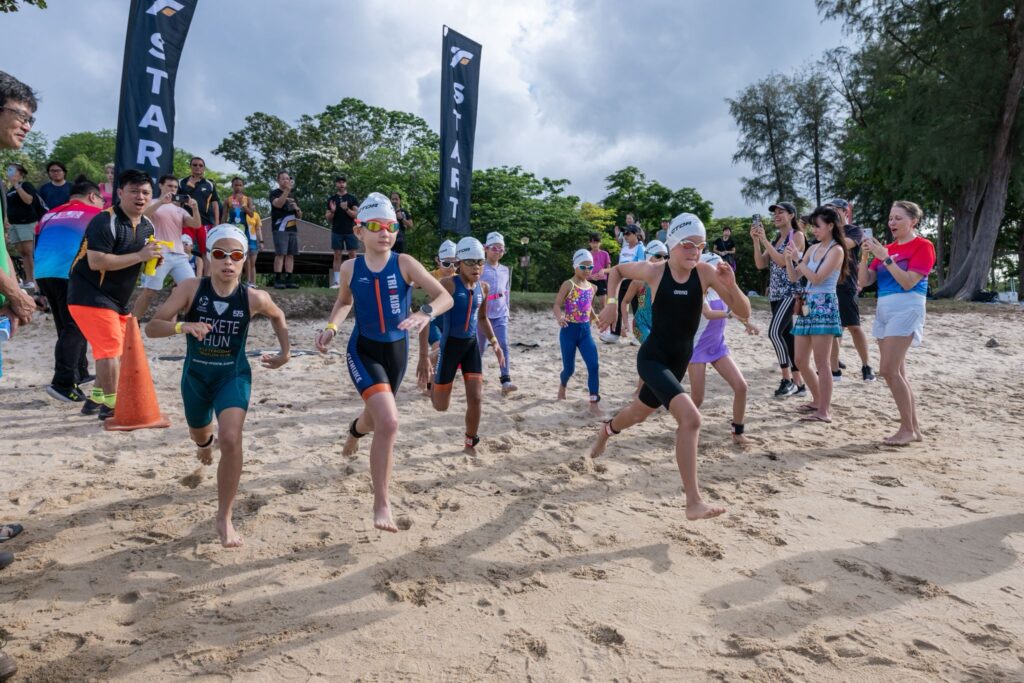
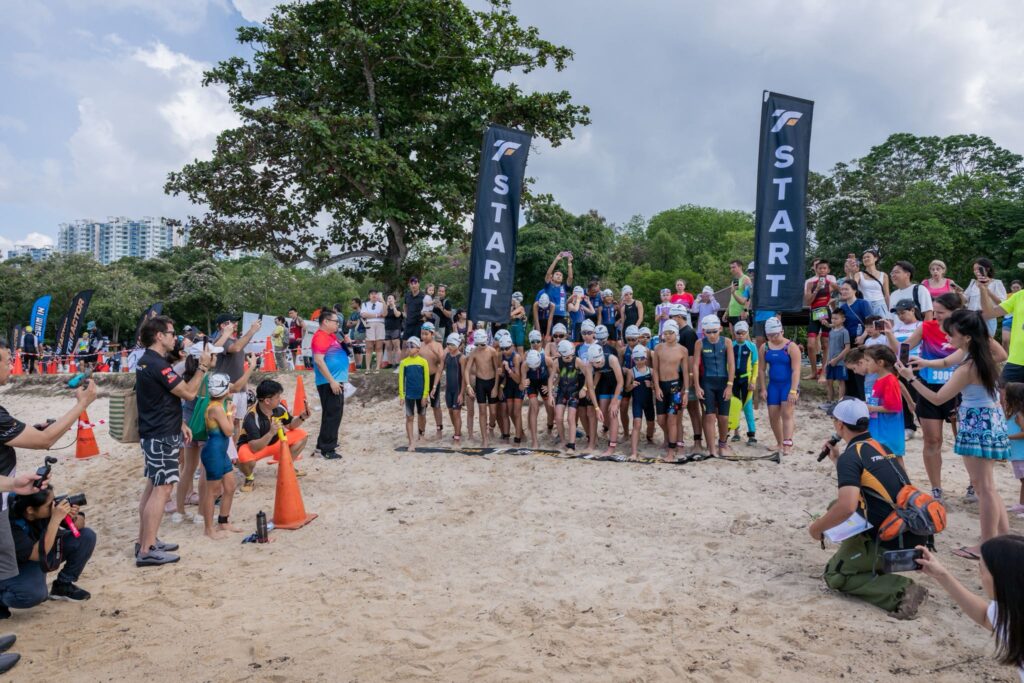
But TriFactor has never been solely about elite athletes. One of the loudest cheers of the day came from the kids’ splash-and-dash category, where tiny competitors sprinted through the course with oversized determination while parents lined the barricades filming every second. Nearby, club teams turned the event into a full-blown community showdown.
The Singapore Runners Club powered their way to the Run Club Challenge title, while Born2Tri once again proved why they remain one of the region’s dominant multisport communities by capturing the RunSwim Club Challenge Trophy.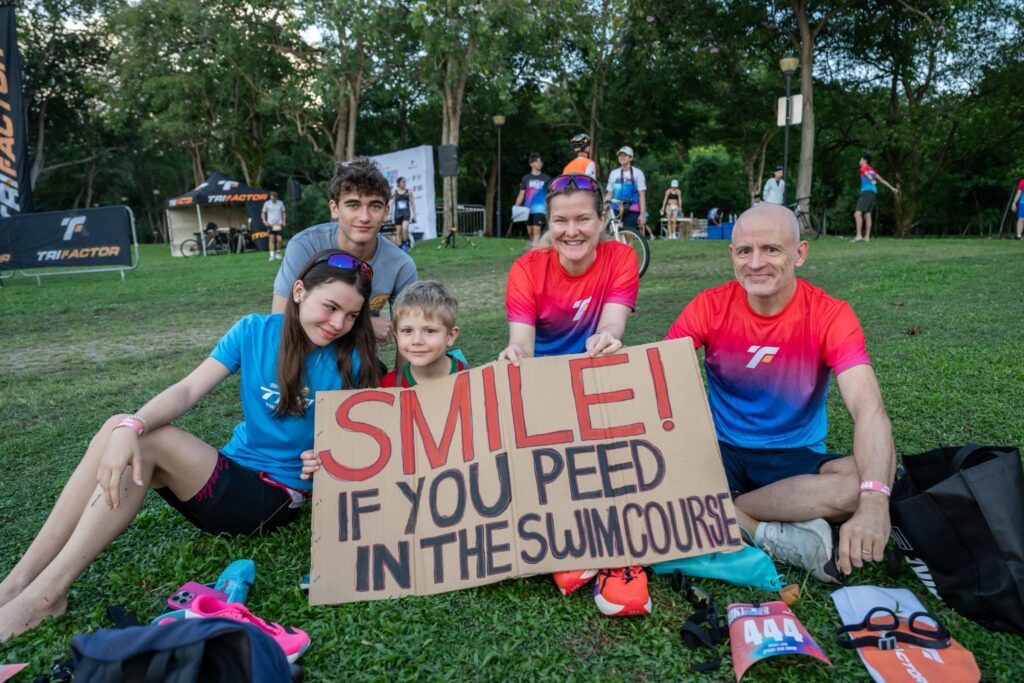
Race Director Joseph Tan said the growing participation numbers reflect something larger than race-day hype.
“We continue to provide our community with the platform to excel,” he said, pointing to the event’s unusually high return rate among past participants.
And once the racing stopped, the recovery party began.
Athletes poured into the post-race village for massages by Starbalm, hydration support from H-TWO-O, and Rokeby’s ice-cold protein recovery drinks. Some limped toward the welfare booths barely able to walk. Others were already talking about next year before their heart rates had even settled.
That blend of suffering, celebration, and community has always been part of the TriFactor DNA. What changed in 2026 is the ambition behind it.
Because this year’s event didn’t just ask athletes to push harder. It challenged the industry itself to think differently about what a major sporting event can look like in the future.
Fast, competitive, community-driven — and finally, sustainable too.
Leave a Comment