
The Lions had their moments against a World Cup nation, but Paraguay showed why there is still a considerable gap to bridge.
Mizuho Blue Challenge | National Stadium | 13 November 2026
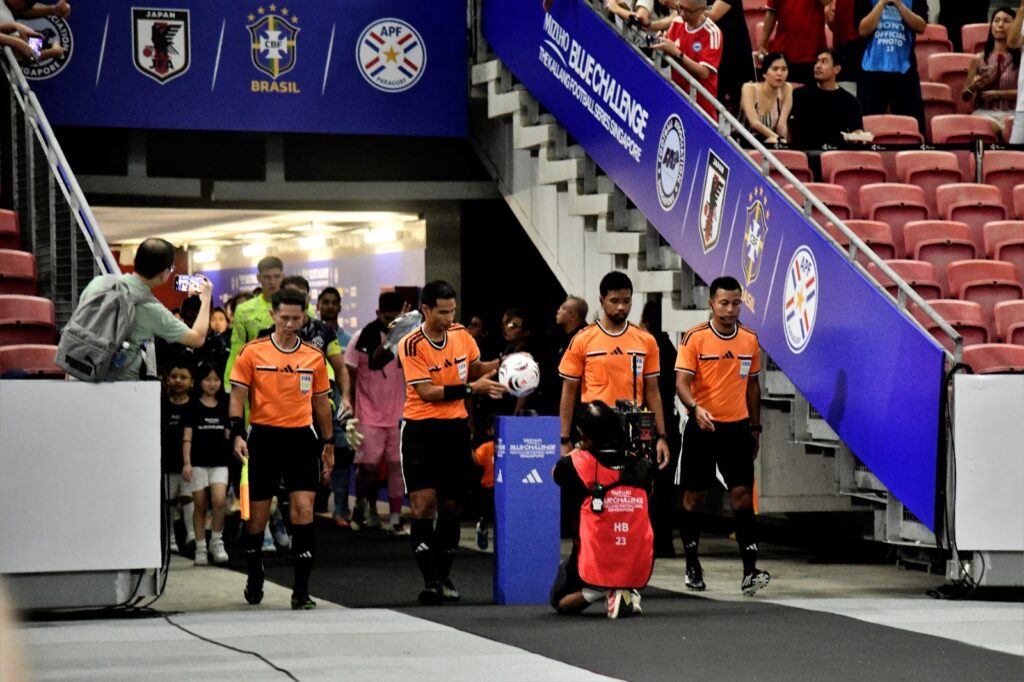
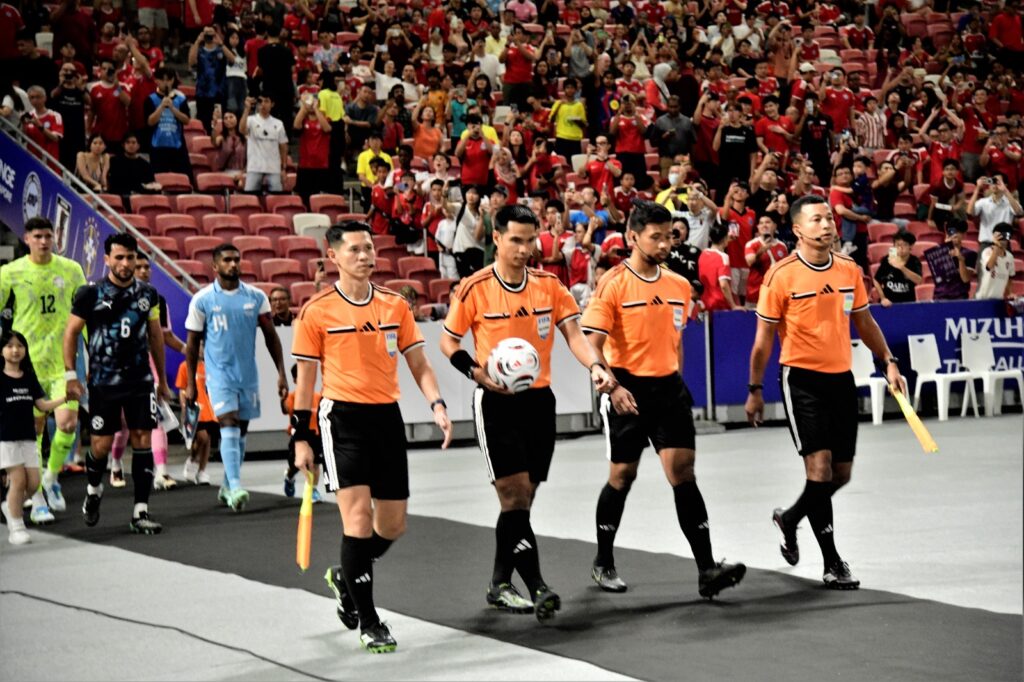
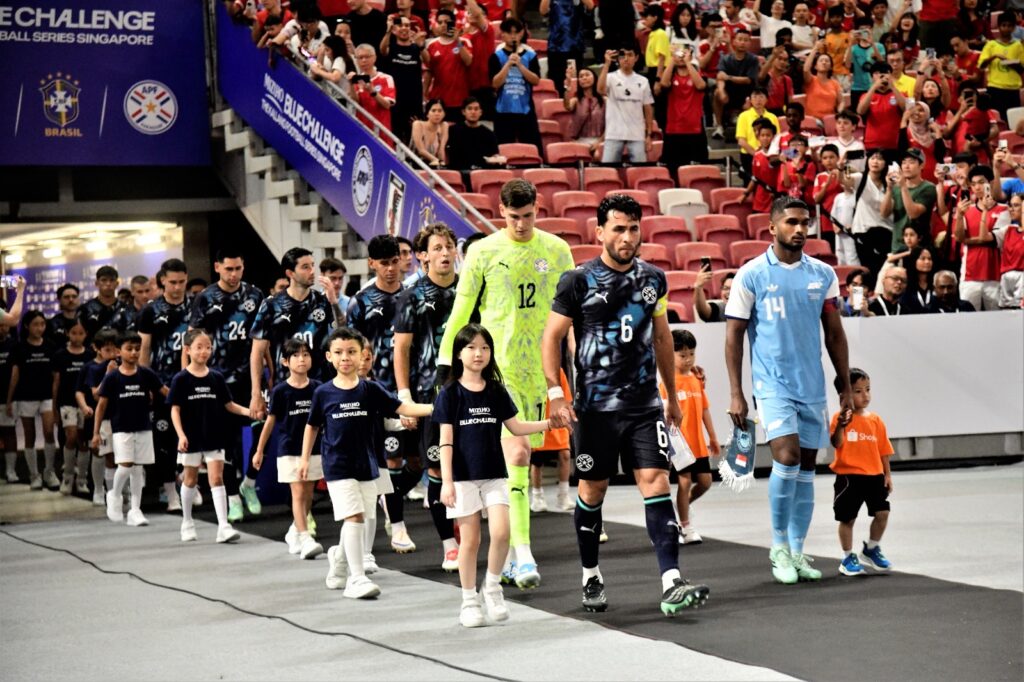 There’s something interesting about watching Singapore take on an opponent of Paraguay’s calibre. You know beforehand that the Lions are going to be up against it, but that doesn’t mean you can’t hope for a pleasant surprise.
And for a while on Friday night, there was certainly reason to believe that Singapore could make a real contest of it.
The 1-4 scoreline against Paraguay was ultimately a disappointing one, but I came away with rather mixed feelings. There were moments when Singapore played some genuinely encouraging football, particularly in the first half. There were also moments when the difference in quality between the two sides became painfully obvious.
Perhaps that’s what made this match interesting. It wasn’t simply a case of Paraguay turning up, dominating proceedings and collecting a comfortable victory. Singapore had their say, created problems and even had a spell when they looked capable of taking the lead.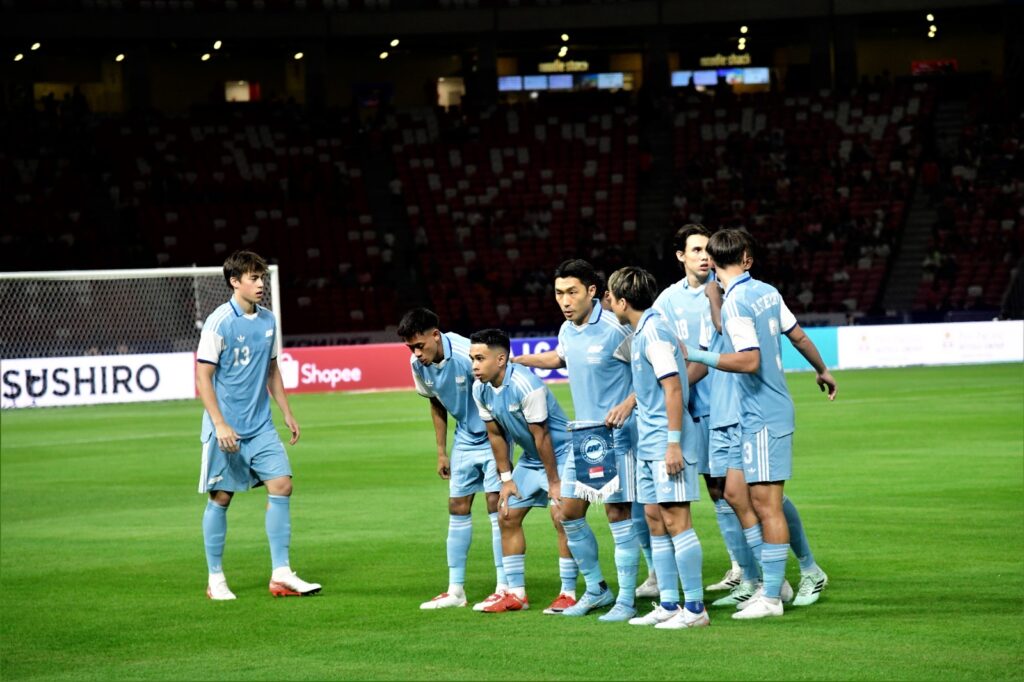
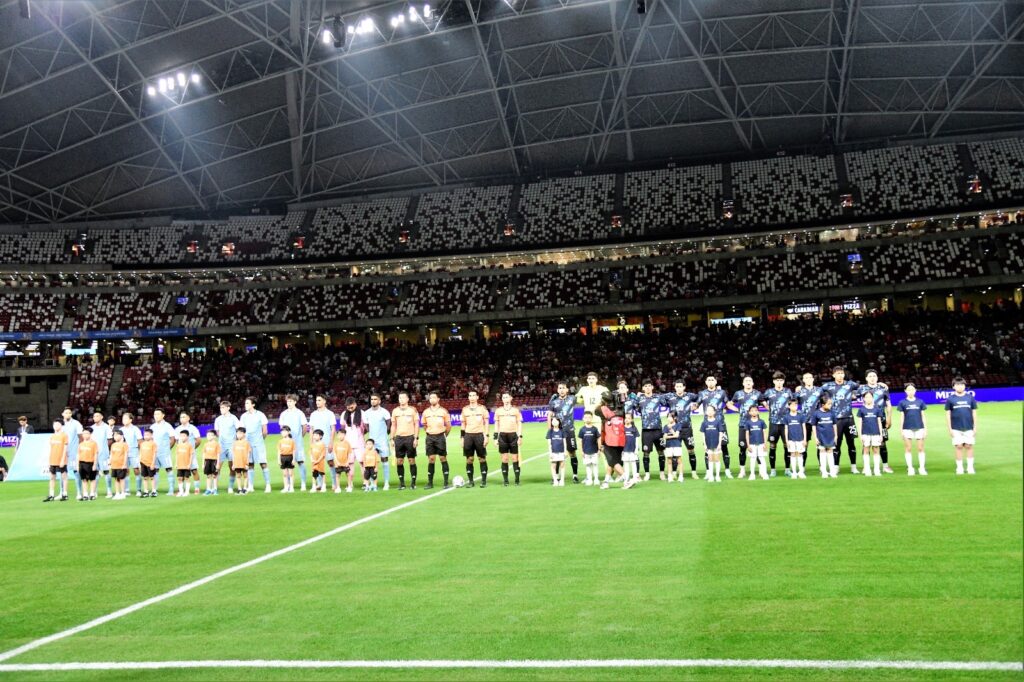
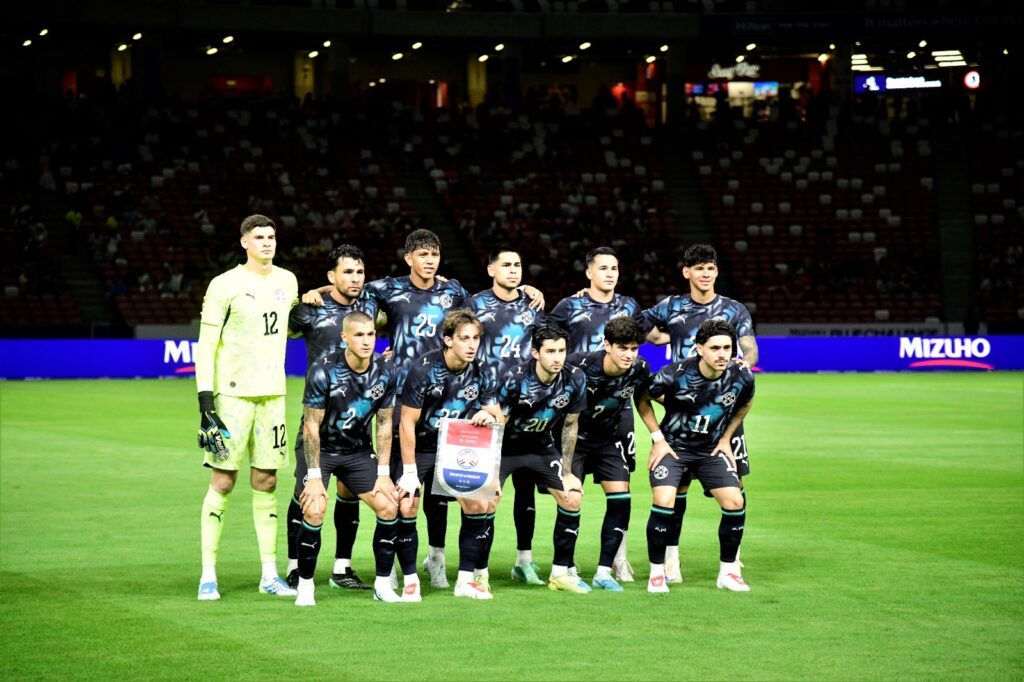
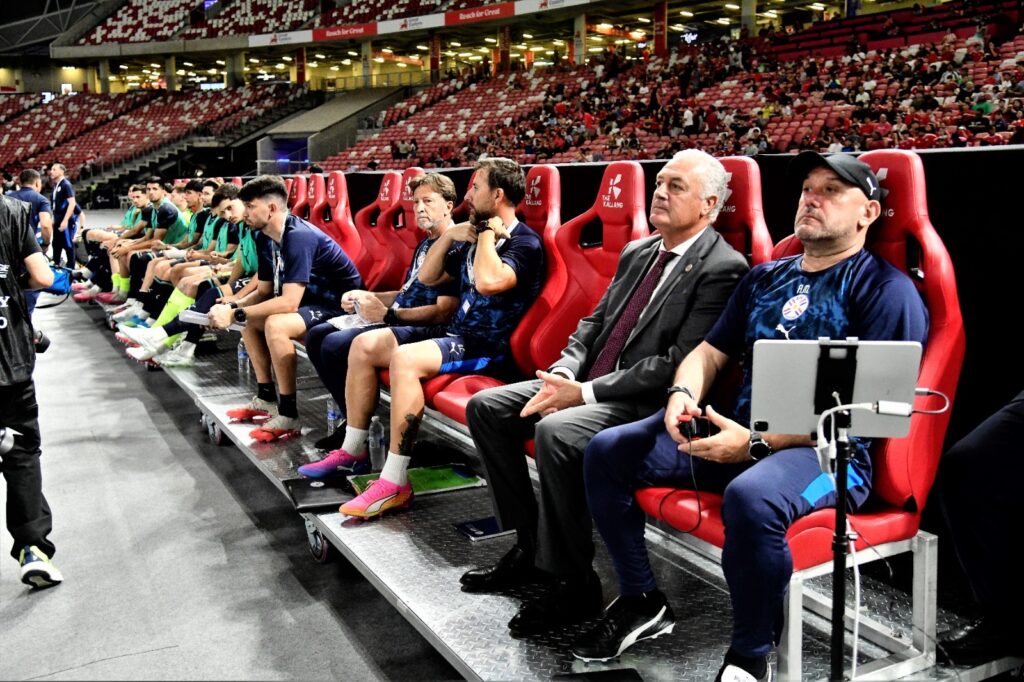
But football at this level is about more than having a good spell. It’s about making those moments count, managing the difficult periods and maintaining your standards for the entire match.
Paraguay did that considerably better.
Singapore showed more than a little ambition
The evening didn’t get off to the best start for the Lions.
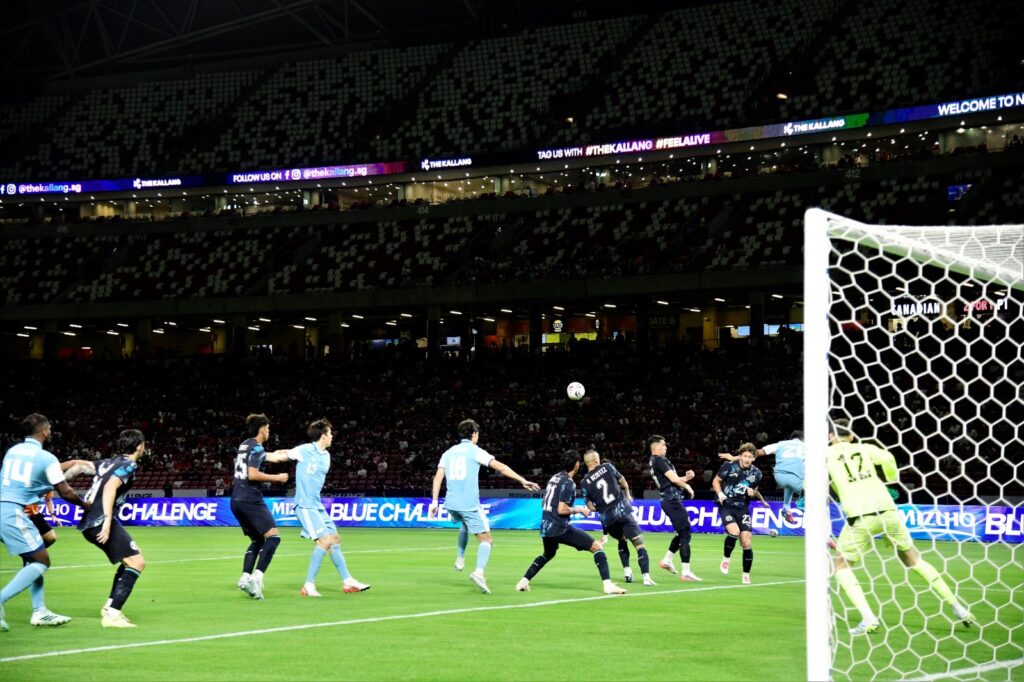
Just seven minutes into the match, Gustavo Caballero found himself with too much room in the penalty area to meet Alexandro Maidana’s cross. His header gave Izwan Mahbud little chance, and Paraguay were ahead.
It was an early reminder of the concentration required when facing international opposition of this quality.
Caballero threatened again, only for Izwan to make an important save. Singapore could easily have found themselves two goals behind, but instead of becoming increasingly defensive, they gradually started to find their feet.
What I liked was the willingness to play.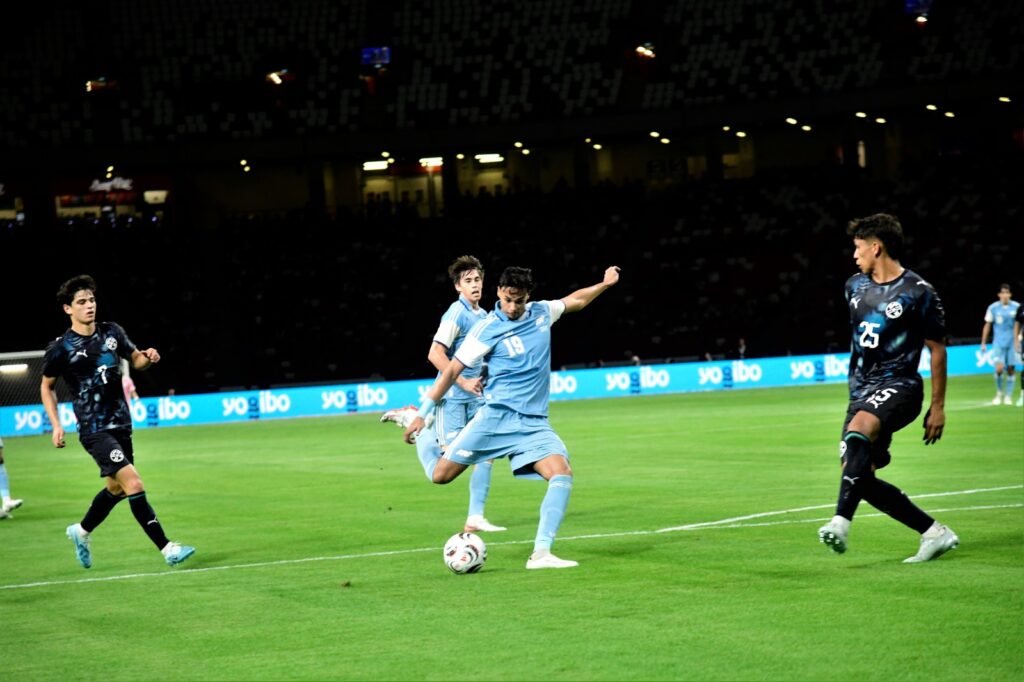
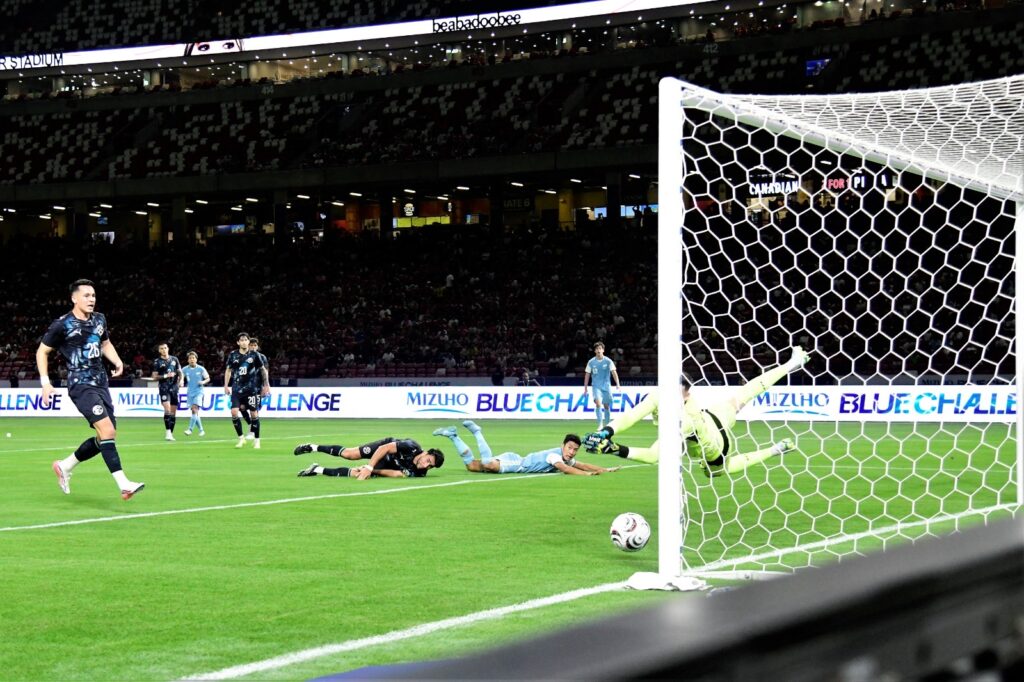
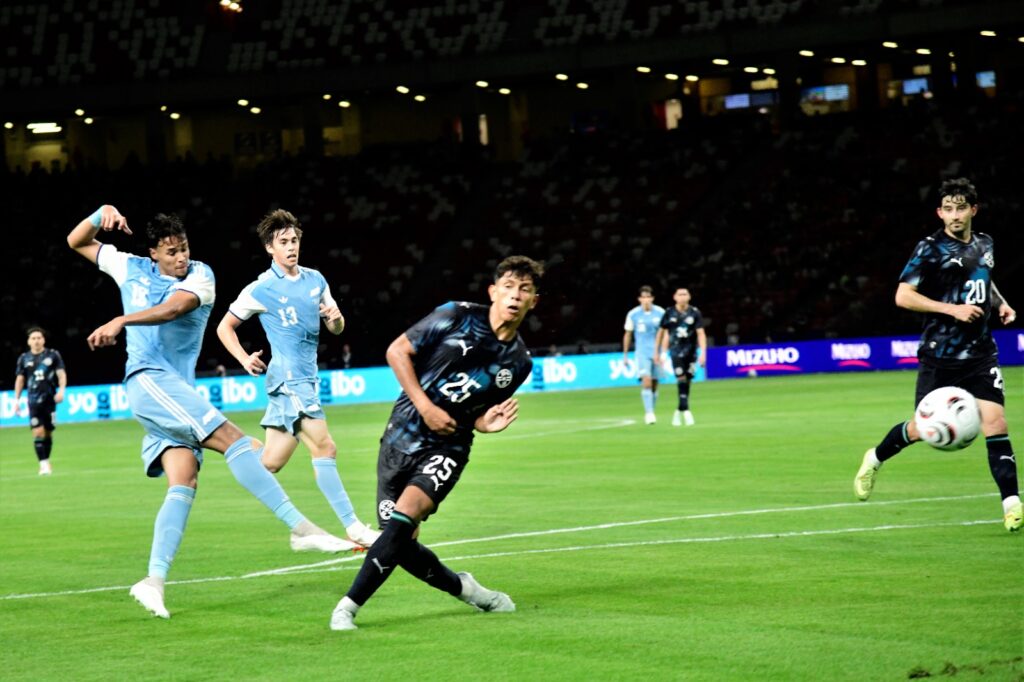
Singapore weren’t simply clearing the ball and hoping for the best. They tried to retain possession, move forward and find spaces between Paraguay’s midfield and defence. Farhan Zulkifli offered some attacking directness, while Kyoga Nakamura looked to create opportunities.
There was a period when the Lions started to look rather comfortable, and Paraguay were being asked questions.
Then came the equaliser.
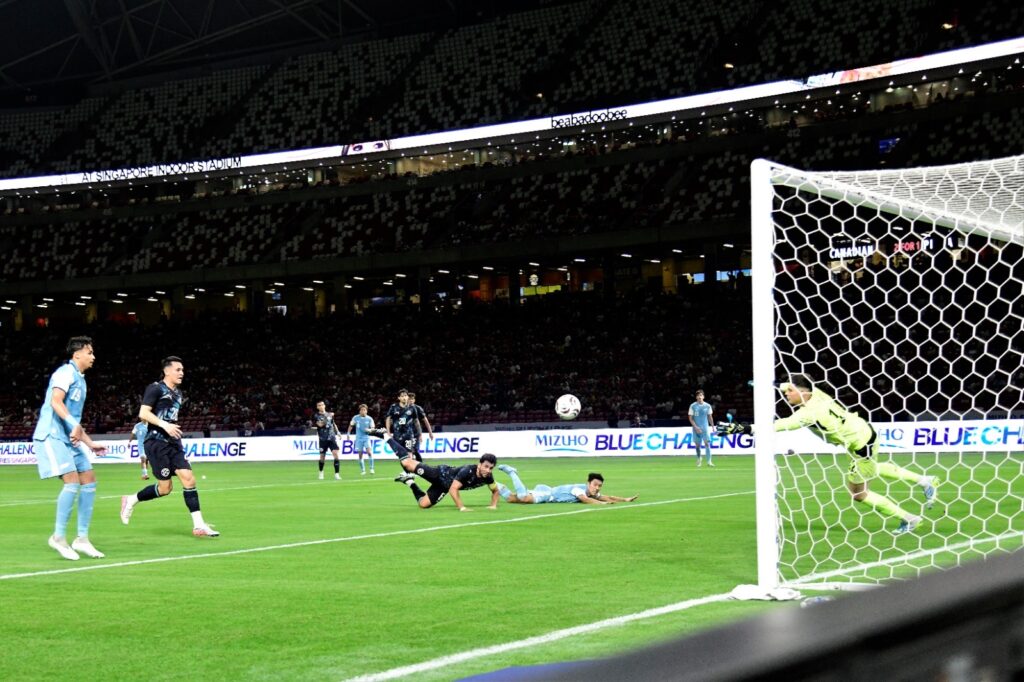
In the 30th minute, Nakamura delivered an excellent cross into the penalty area. Song Ui-young arrived at just the right moment and guided his header beyond Orlando Gill, with the ball going in off the post.
1-1.
It was a lovely goal, and one that was thoroughly deserved.
What made it particularly pleasing was the quality of the move. Good delivery, intelligent movement and a well-executed finish. Nothing fortunate about it.
For a moment, Singapore had given themselves a genuine foothold in the match.
More importantly, they had shown that Paraguay could be troubled.
The Lions continued to look for openings, and there were further opportunities to make the most of their good spell. Ilhan Fandi had a chance that could have put Singapore ahead.
Looking back, those moments were significant. Against an opponent like Paraguay, you cannot afford to be wasteful when opportunities present themselves.
And unfortunately, the first half had one more sting in its tail.
The timing of Paraguay’s second goal hurt
Just when Singapore appeared to have done enough to reach half-time level, Paraguay struck again.
Mauricio Magalhaes finished after Eduardo Delmás created the opportunity, restoring the visitors’ advantage on the stroke of half-time.
It was a particularly frustrating goal to concede.
Instead of going into the break with the confidence of having recovered from an early setback, Singapore were once again chasing the game.
There is a psychological difference between 1-1 and 2-1 at half-time, especially when you have worked hard to get back into the contest.
The second half then began with another setback.
Eight minutes after the restart, Caballero scored his second of the evening to make it 3-1.
That was a significant turning point. Paraguay now had the breathing space they wanted, and their greater experience began to show.
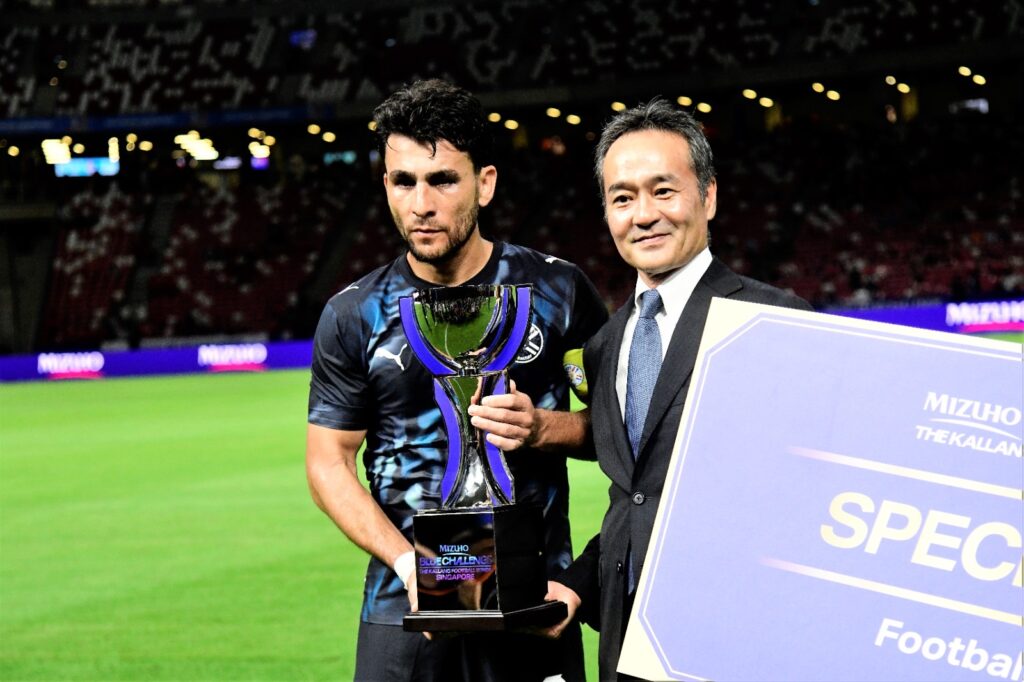 This is where Paraguay’s class became apparent
One of the more interesting aspects of the match was the way Paraguay adjusted after the first half.
They weren’t entirely comfortable with Singapore’s attacking movement and the spaces the Lions were finding between the lines. But rather than simply continuing with the same approach, they changed the way they went about the game.
They became more patient in possession, moved the ball with greater purpose and looked to exploit the spaces behind Singapore’s midfield.
Their ability to introduce players such as Miguel Almirón and Julio Enciso also gave them another dimension.
Singapore, meanwhile, were finding it increasingly difficult to maintain the intensity of the first half.
This was something Paraguay eventually exploited. Enciso added a fourth in the 81st minute, with Almirón providing the assist.
By then, the difference between the two teams was becoming increasingly apparent.
It wasn’t just about individual ability. It was also about game management, decision-making and the ability to maintain a high tempo when fatigue begins to set in.
Paraguay seemed to know when to be patient and when to accelerate. Singapore were still learning how to cope with those changes.
Gustavo Alfaro’s interesting assessment of Singapore
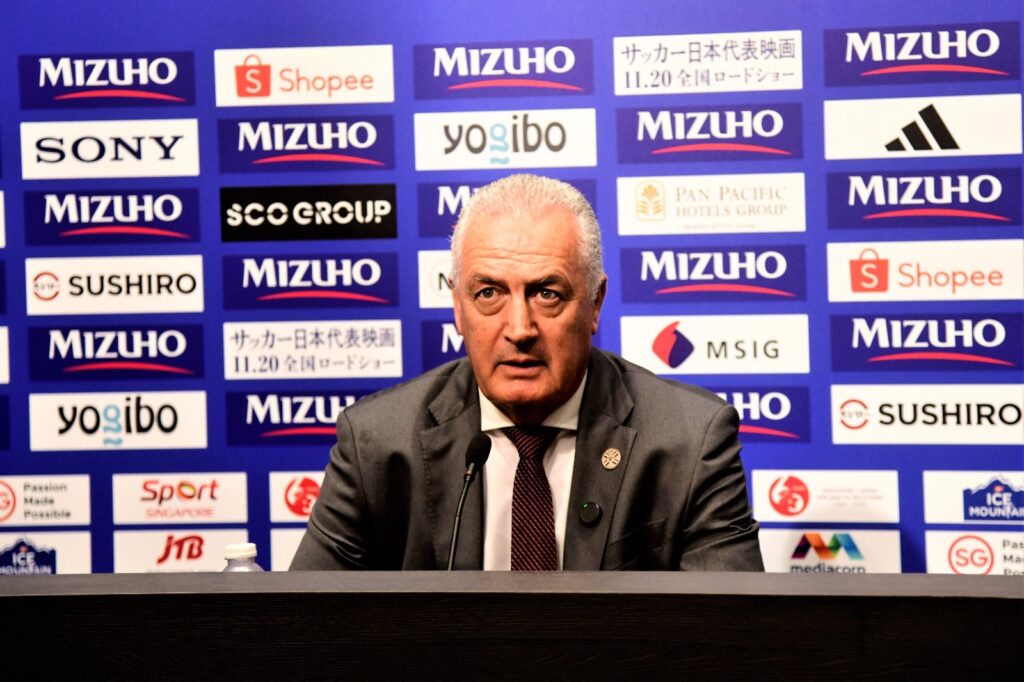 Paraguay head coach Gustavo Alfaro was naturally pleased with the victory, but his post-match comments offered an interesting insight into how he viewed the contest.
He acknowledged that Singapore had caused his team problems, particularly during the first half.
In fact, he admitted that Paraguay had lost some confidence on the ball and started rushing their passes, which worked against their attempts to extend the lead.
He specifically praised Singapore’s attacking movement, through balls and the pace of the wingers.
As Alfaro put it:
“Singapore with their quality, their through balls and their dangerous wingers created the chances to equalize and at one point in the first half they could have even gone ahead.”
It’s always interesting to hear an opposing coach identify the areas where his team was uncomfortable. In this instance, Alfaro was quite specific about what Singapore had done well.
He also explained how Paraguay addressed those problems.
At half-time, he wanted his players to be more patient in possession and look for passes behind Singapore’s midfielders. He felt that the adjustment made a difference, and the second-half performance certainly supported his assessment.
It was a useful reminder that international football is not simply about having technically gifted players. It’s about recognising problems and finding ways to solve them during a match.
I was also interested in Alfaro’s philosophy towards developing younger players.
He spoke about giving them the freedom to express themselves, make decisions and learn from their mistakes. One particular comment stood out:
“I value their intentions much more than getting things right because I’m convinced that getting things right comes from good intentions.”
That’s an interesting way of looking at player development.
Young footballers need opportunities, but they also need the confidence to try things without constantly worrying about making mistakes.
Alfaro spoke about his previous experiences promoting young players into the Paraguay national team, several of whom subsequently went on to establish themselves in European football.
He clearly believes that creating the right environment is just as important as identifying talent.
He also had some encouraging words for Singapore, praising the team’s technical ability and potential while suggesting that more matches against opponents of this standard would help their development.
Of course, praise from an opposing coach doesn’t change the result. But it was encouraging to hear that Singapore’s first-half approach had made an impression.
Gavin Lee’s response: The importance of finding solutions
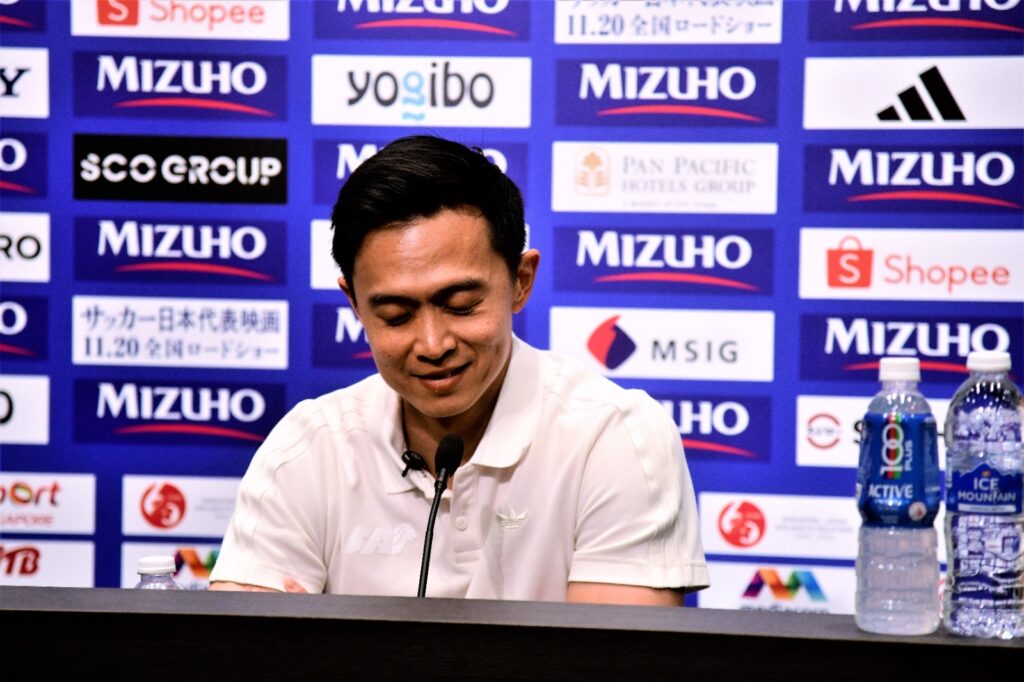 For Singapore head coach Gavin Lee, the assessment was understandably more difficult.
He was quite open about the goals conceded, particularly the early strike, the goal just before half-time and the one shortly after the restart.
These were important moments, and Singapore had made life unnecessarily difficult for themselves.
Lee also felt that the Lions had enjoyed a period of momentum in the first half but hadn’t made enough of it.
He said:
“There was a period where we had the momentum and we should have punished them a little bit more, but we didn’t.”
It’s difficult to disagree.
Singapore had opportunities, but didn’t take sufficient advantage of them. Against a team with Paraguay’s quality, failing to capitalise on your better moments can prove very costly.
Lee also acknowledged the physical demands of playing against a team accustomed to a much higher tempo.
He knew beforehand that maintaining that intensity over the entire match would be a major challenge, and the second-half difficulties were not entirely unexpected.
What I found particularly interesting, however, was his approach to the mistakes.
Rather than simply expressing frustration, Lee repeatedly returned to the importance of finding solutions.
“The challenge for me is always about solutions.”
He recognised that mistakes would happen against stronger opponents, particularly when players were fatigued and dealing with a tempo they weren’t used to.
But he didn’t want the team hiding behind those explanations or pointing fingers at individuals.
Instead, he wanted everyone to look at themselves, understand what went wrong and work out how to improve.
He also highlighted the importance of players sticking together when things weren’t going well.
I thought that was a sensible message. Against opponents of this quality, there will inevitably be difficult moments. The last thing Singapore need is for individual mistakes to affect the collective performance.
Lee also emphasised the importance of continuing to trust the team’s playing philosophy, even when fatigue sets in.
“Even when we are fatigued, trust the process.”
The challenge, of course, is making sure that belief is matched by better execution.
So, where does Singapore go from here?
I think the Paraguay match offered a fairly honest assessment of where Singapore currently stand.
There is enough technical ability and attacking potential to cause problems for stronger opponents. The equaliser was evidence of that, as were some of the passages of football in the first half.
But there are also clear areas that need improvement.
Defensive concentration, decision-making under pressure, taking chances and maintaining intensity throughout the match all come to mind.
Perhaps the biggest issue is learning how to manage the different phases of a game.
Singapore were competitive when they had the confidence and energy to press forward. But when Paraguay adjusted, increased the tempo and began exploiting the spaces available, the Lions struggled to respond.
That is the difference between having encouraging moments and being able to compete consistently at this level.
It would be wrong to expect Singapore to suddenly match the technical quality of Paraguay. But these are precisely the experiences that should help the team understand what needs to improve.
And that brings us to the next challenge.
Brazil next: Another opportunity to measure ourselves
Brazil await at the National Stadium on 17 November.
It hardly gets any easier.
Facing the five-time World Cup champions will provide another demanding examination for Gavin Lee and his players. There will be more technical quality, more attacking threats and another test of Singapore’s ability to cope with the tempo.
I’m not expecting miracles, and I don’t think anyone should.
What I would like to see, though, is Singapore taking the positives from the Paraguay match while addressing the shortcomings.
Continue to play with ambition. Be brave in possession. Defend with greater concentration. And, perhaps most importantly, make better use of the opportunities that come along.
Watching Singapore take on Paraguay was an interesting experience precisely because there were moments when the Lions looked capable of making the contest much closer.
The equaliser was a highlight, and the first-half performance offered something to be encouraged by.
But Paraguay also provided a reminder that there is still considerable work to do.
I suppose that’s the value of playing opponents of this standard. They show you what you can do, but just as importantly, they show you what you still cannot do well enough.
For Singapore, the challenge is to learn from both.
A 4-1 defeat isn’t the result anyone would have wanted, but the real measure of this match will be what the Lions take into their next one. Brazil will give us another indication of just how much progress is being made.
And that should make Tuesday’s encounter well worth watching.
Final score: Singapore 1-4 Paraguay
Singapore: Song Ui-young (30′)
Paraguay: Gustavo Caballero (7′, 53′), Mauricio Magalhaes (45′), Julio Enciso (81′)
Singapore head coach: Gavin Lee
Paraguay head coach: Gustavo Alfaro
Leave a Comment