
Watching Japan take on Brazil in Singapore was already an exciting prospect. But few could have anticipated just how much drama the evening would deliver.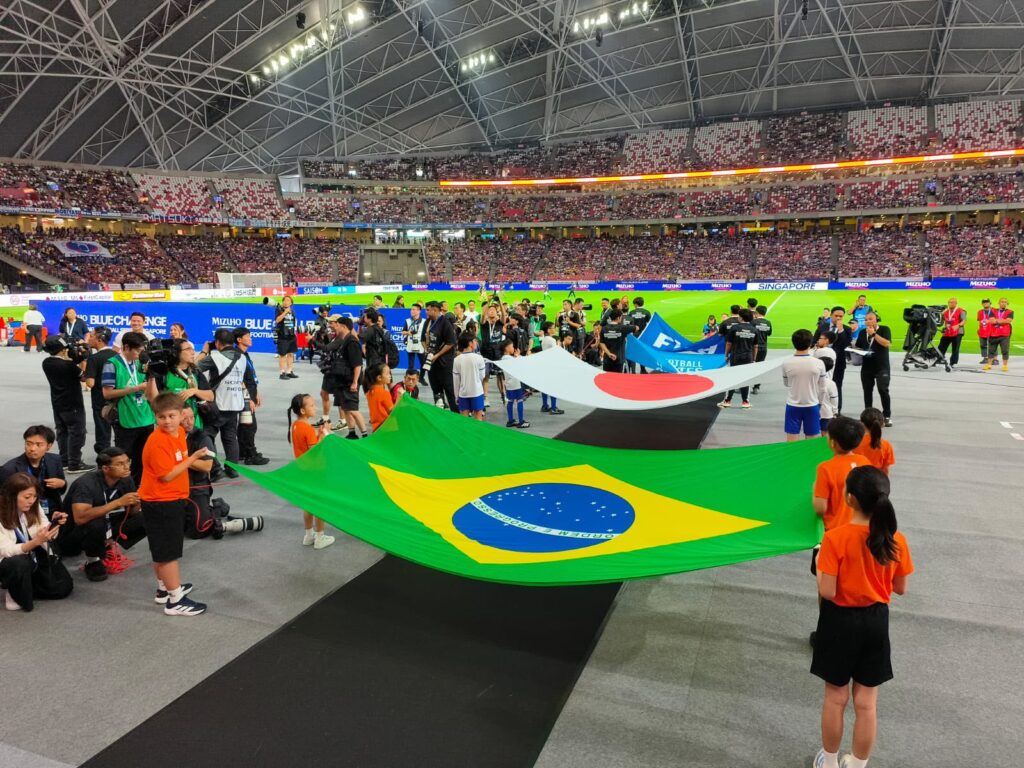
At the National Stadium on Saturday, 14 November, the two international sides served up five goals, a remarkable Brazilian comeback, a last-minute Japanese winner and a touchline controversy that added an unexpected twist to the night.
The match was part of the Mizuho Blue Challenge – The Kallang Football Series, and it carried an added storyline. Japan had lost 2-1 to Brazil at the 2026 FIFA World Cup, having initially taken the lead. This was their chance to show what they had learned from that encounter.
Brazil had plenty of individual star power, but Japan had something to prove. And perhaps, like many watching, there was a little hope that the underdogs could turn the tables this time.
I was there to enjoy the occasion and take in the experience of watching two major international sides go head-to-head in Singapore. As the match unfolded, it became clear that this would be much more than an ordinary international friendly.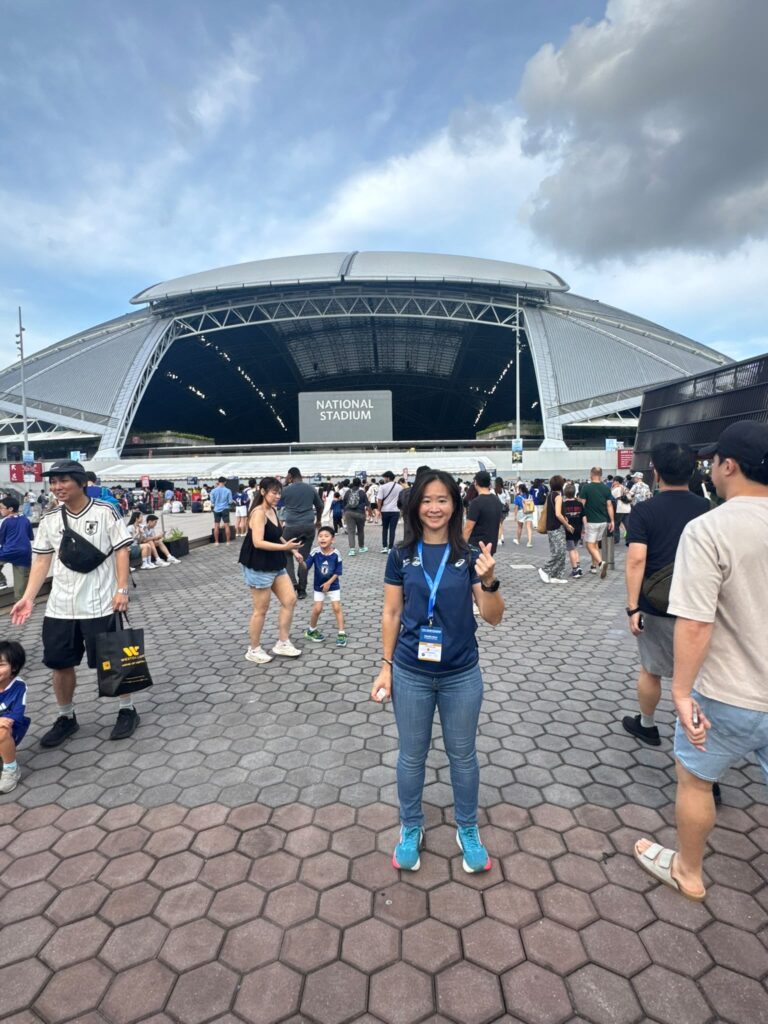
Japan Catch Brazil Off Guard
Japan wasted little time making their intentions clear.
In the 15th minute, Takefusa Kubo opened the scoring, giving Japan an early advantage. Just four minutes later, Keito Nakamura doubled their lead after a delivery from Shuto Nakano.
Two goals in such quick succession put Brazil under immediate pressure. Japan were not simply looking to contain their opponents; they were prepared to take the game to them.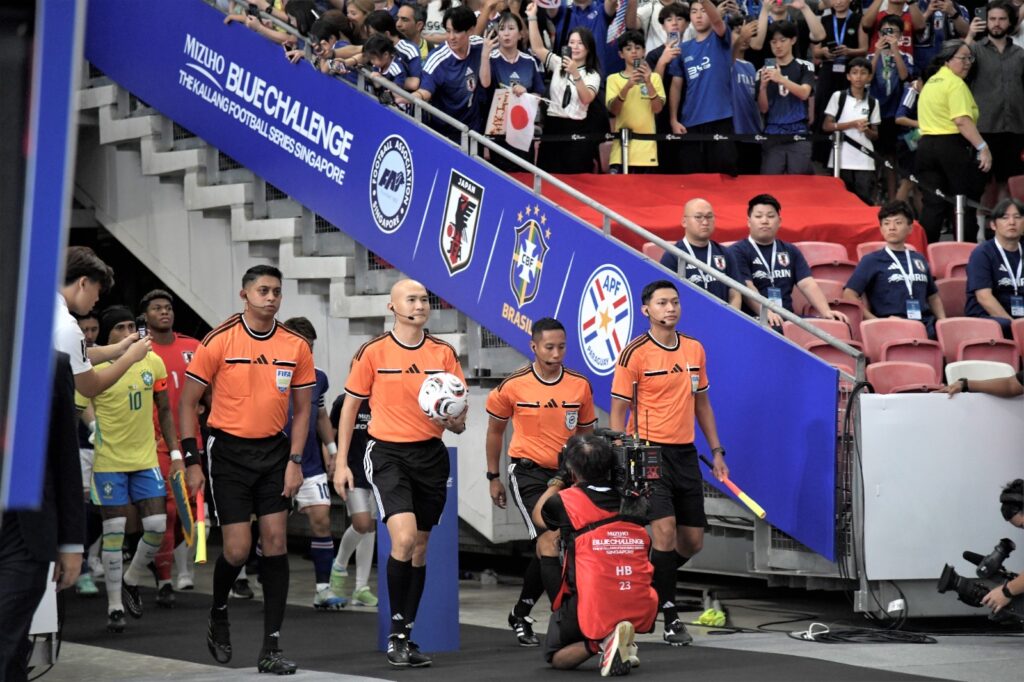
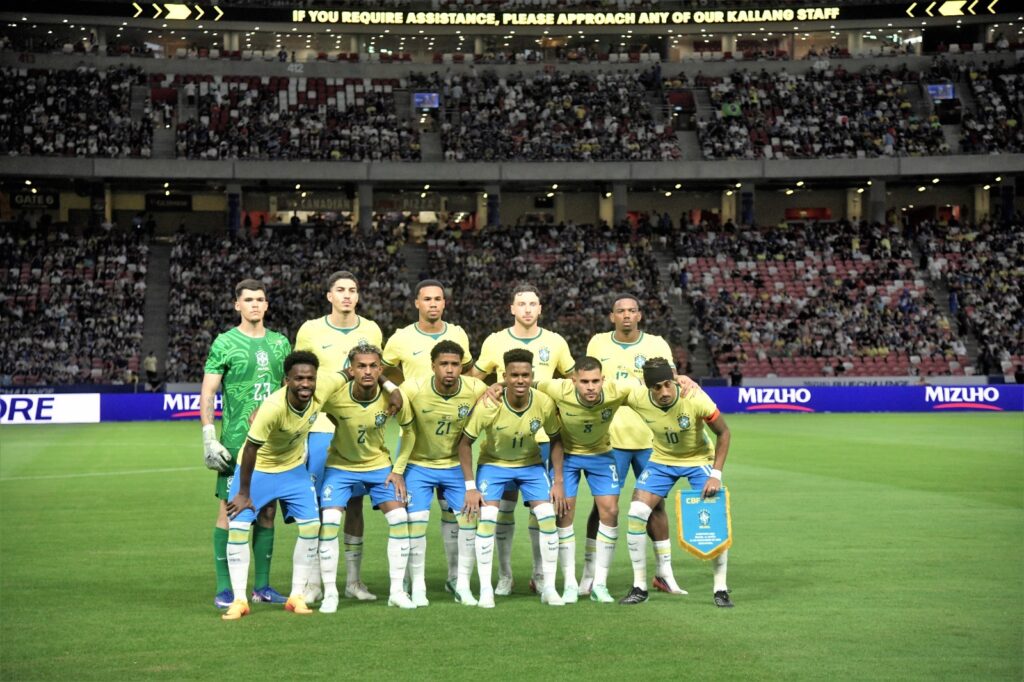
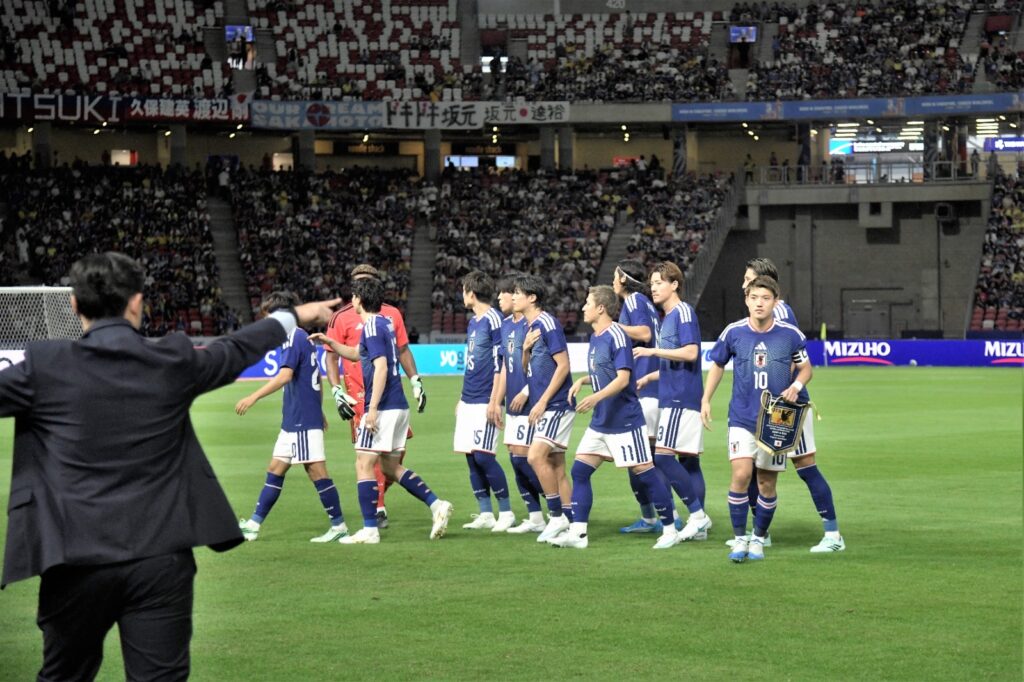
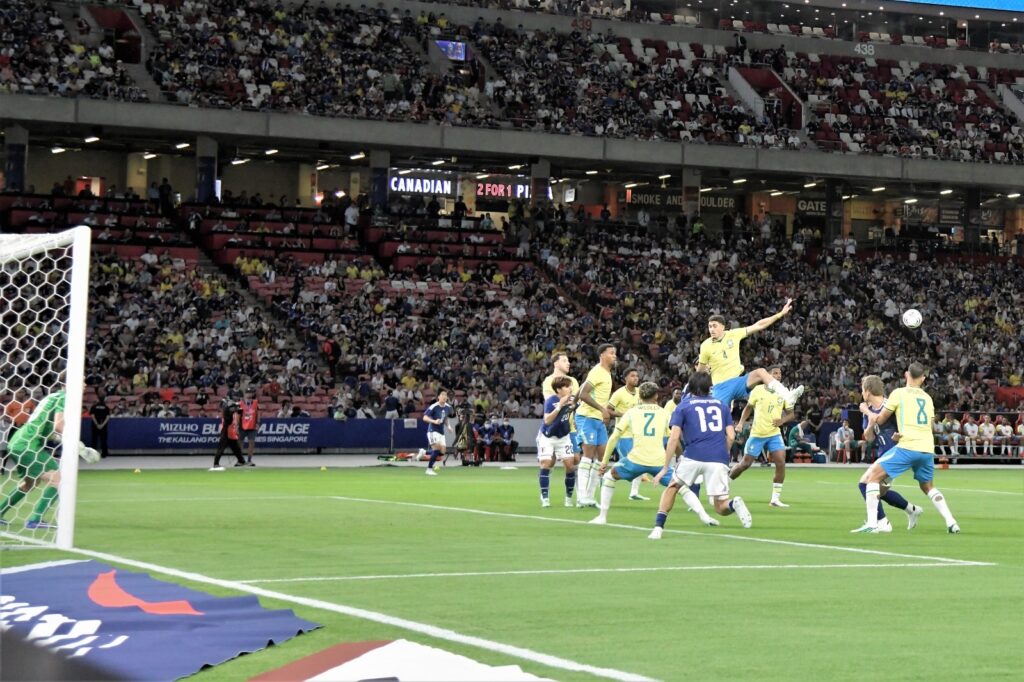
It was an impressive start, particularly against a side boasting the quality and attacking threat of Brazil.
But Brazil were never going to be easy opponents to keep at bay.
In the 33rd minute, Vinícius Júnior pulled one back, giving Brazil a foothold in the match. His goal was a reminder of the danger Brazil could pose whenever they found space in attack.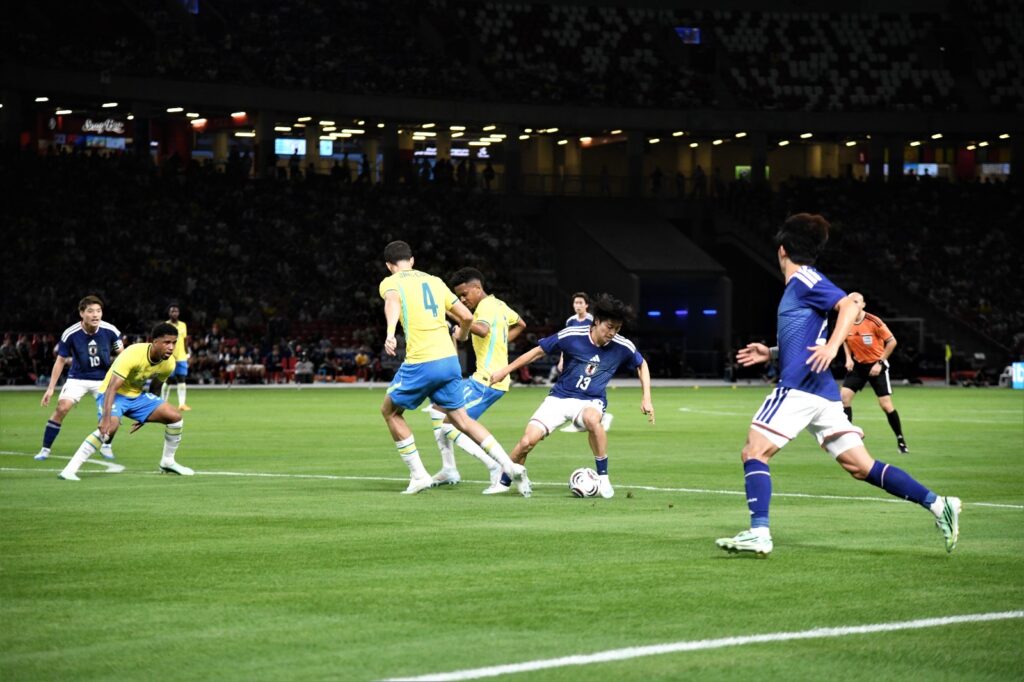
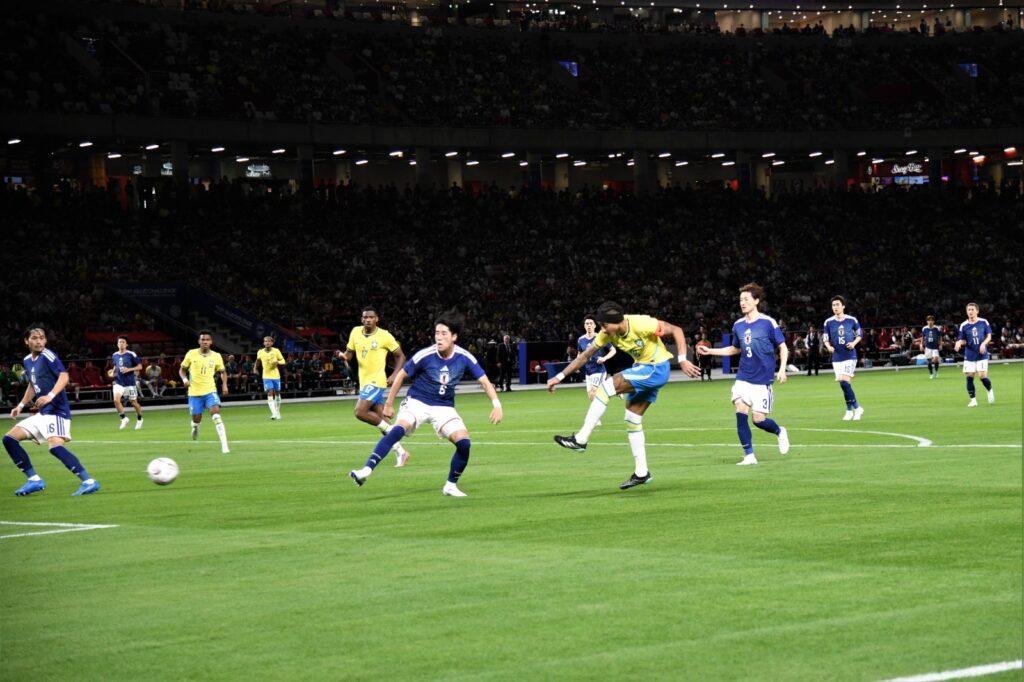
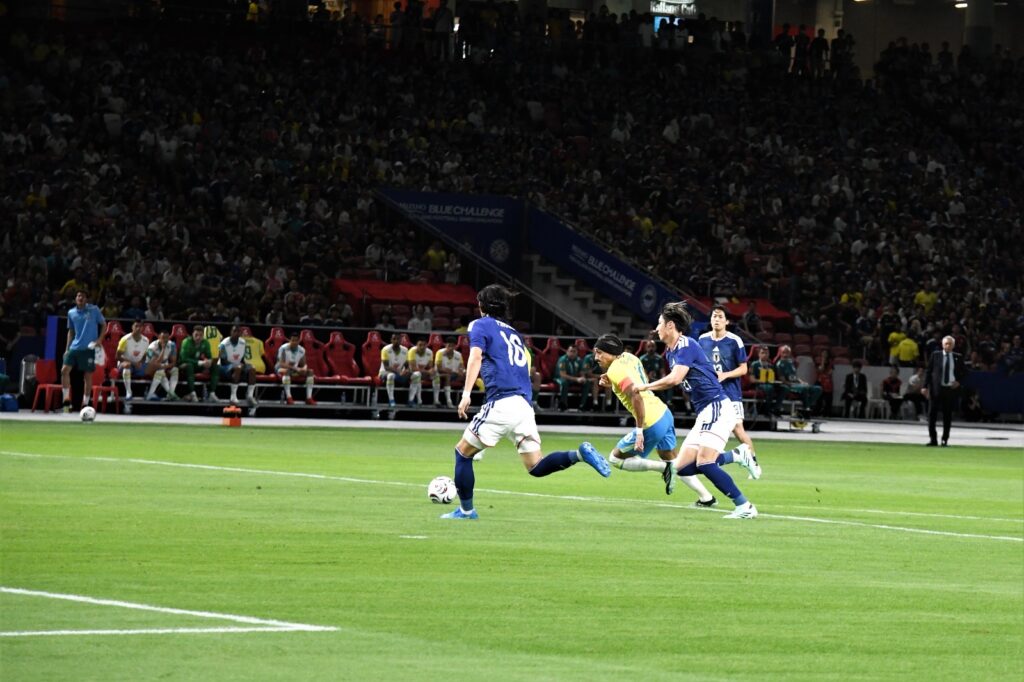
Brazil defender Lucas Beraldo later described the spell in which Japan scored twice as a “blackout”.
Reflecting on the goals conceded within two or three minutes, he admitted that it was something the team could not afford to allow.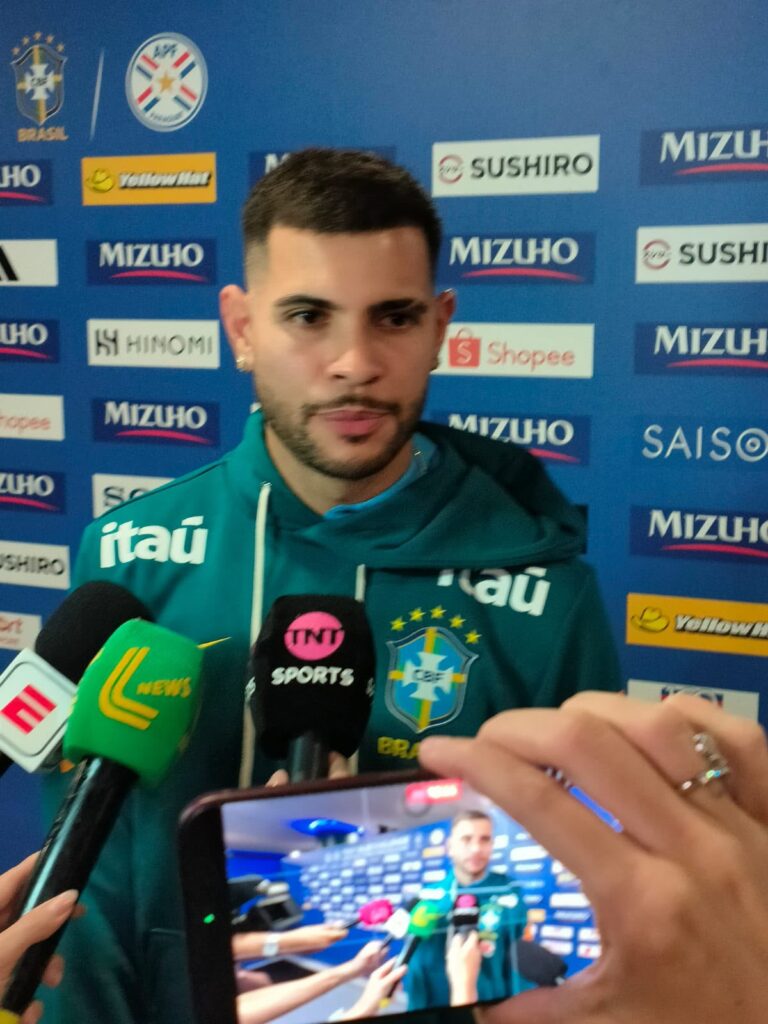
“It’s an obviously bad feeling to lose a match,” Beraldo said, while also pointing to the positives in Brazil’s response after going 2-0 down.
Despite pulling one back, Brazil still went into the half-time break trailing Japan 1-2.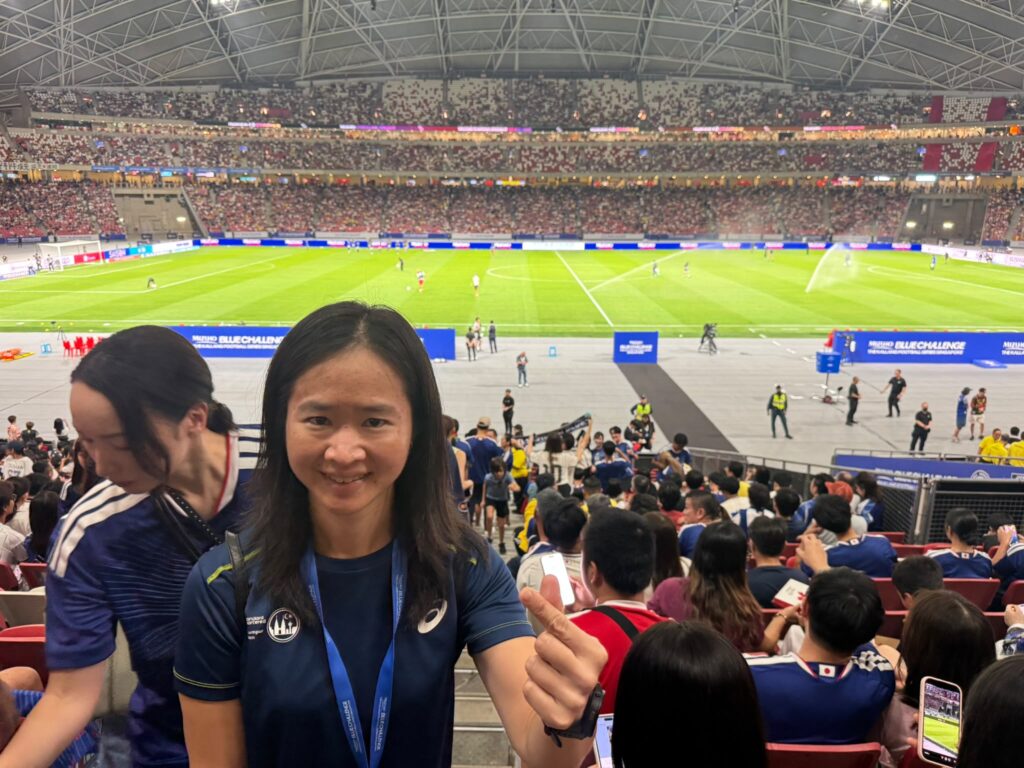
Vinícius Júnior Brings Brazil Back into the Game
Brazil returned for the second half knowing they still had work to do to turn the match around.
Japan continued to hold their advantage, but Brazil’s attacking quality meant that the threat of an equaliser was never far away.
In the 75th minute, Vinícius struck again, scoring his second goal of the evening to bring Brazil level at 2-2.
Having trailed by two goals earlier in the match, Brazil had fought their way back into the contest. The momentum had shifted, and suddenly Japan were the side who needed to respond.
For Japan head coach Hajime Moriyasu, the equaliser brought back memories of their previous meeting at the World Cup.
During his post-match press conference, Moriyasu admitted that when Brazil scored their second goal, he thought about that earlier defeat and worried that Brazil might go on to score a third.
But Japan did not allow those memories to dictate the outcome this time.
Rather than being content with a draw, they continued to push forward in search of a winner.
Tatsuhiro Sakamoto Delivers a Dramatic Finish
As the match approached its closing stages, Brazil came agonisingly close to completing their comeback.
Endrick struck the crossbar late in the game, almost putting Brazil ahead. It was a significant moment, as Japan could easily have found themselves trailing after having once enjoyed a two-goal lead.
Instead, the decisive goal came at the other end.
In injury time, Tatsuhiro Sakamoto found the net to put Japan 3-2 ahead. After Brazil had worked so hard to get back on level terms, Japan had found one final answer.
The late goal sparked celebrations for Japan, but the drama did not end there.
The Brazilian side protested over a possible foul in the build-up, and tensions spilled over on the touchline. Brazil head coach Carlo Ancelotti and Raphinha were both shown red cards.
Asked about the incident afterwards, Ancelotti acknowledged that he had struggled to control the bench.
“I was not able to control the [bench] that was all on the pitch,” he explained.
It was a remarkable ending to an already eventful match. Brazil had come close to turning the game around, only to see Japan snatch victory in the dying moments.
The final score was Japan 3, Brazil 2.
Moriyasu: “Today’s Match Is the Best Match in My Eight-Year Tenure”
At the post-match press conference, Moriyasu was clearly pleased with what his players had achieved.
When asked whether this was the best match of his coaching career, the Japan head coach gave a particularly emphatic response:
“Today’s match is the best match in my eight-year tenure.”
He was satisfied with the way Japan had approached the game, both offensively and defensively. The players had been aggressive, and he was also pleased that those coming off the bench had maintained the same quality as the starters.
Moriyasu recognised the challenge of facing a team with Brazil’s individual talent, particularly a player like Vinícius, who had scored twice.
For Japan, containing such players requires more than simply defending as a unit. Moriyasu acknowledged the need for his team to overcome individual threats collectively while also developing their own individual quality.
The victory was therefore significant beyond the scoreline. Japan had shown that they could compete with Brazil and, this time, find a way to beat them.
Kubo: Looking Forward Rather Than Back
For Kubo, the match also carried a personal significance.
Asked whether beating Brazil felt like revenge for the World Cup defeat, he was keen to focus on the present rather than dwell on the past.
“The World Cup doesn’t come back,” he said.
Kubo explained that he had been unable to play in the previous meeting with Brazil, making this encounter personally meaningful.
He also revealed that Japan had studied their World Cup performance and made tactical adjustments ahead of this match. In his view, the team had played better this time around.
His response offered an interesting perspective on Japan’s approach. The World Cup defeat could not be undone, but it could provide lessons for the future.
Rather than being consumed by the previous result, Japan had focused on what they could improve – and the performance in Singapore showed the benefits of that preparation.
Ancelotti Reflects on Brazil’s Performance
For Brazil, the defeat was naturally disappointing, particularly after fighting back from two goals down.
Ancelotti felt his team had played with intensity for much of the match.
“For 70 minutes we played what we wanted to do, we played with intensity,” he said.
He also acknowledged the threat Japan posed through their counterattacking play. Despite Brazil’s recovery, the early defensive lapse had left them with too much to do, and they ultimately could not prevent the late winner.
Beraldo’s comments echoed that assessment. While disappointed with the result, he felt Brazil could take something productive from the team’s response after going 2-0 down.
There were lessons for Brazil to take away, even if the final result was not what they wanted.
A Night to Remember at the National Stadium
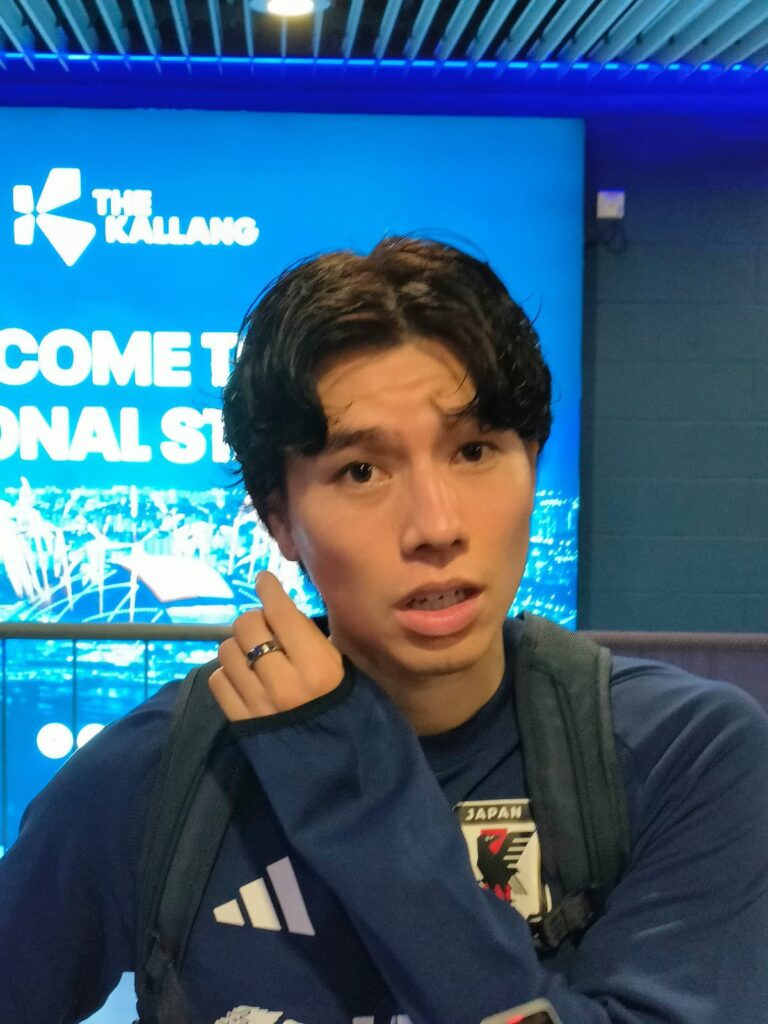
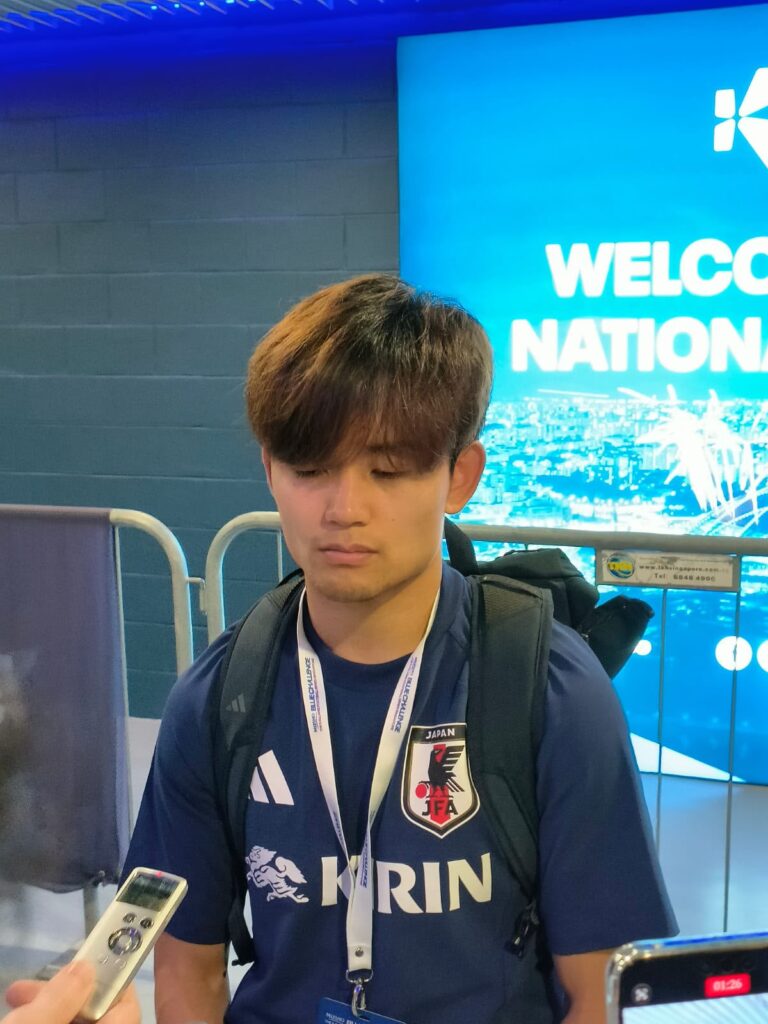 For Japan, this was an opportunity to show how far they had come since their previous meeting with Brazil. They did so in the most convincing way possible: by taking the game to their opponents, responding when the comeback threatened to derail them and finding a winner when it mattered most.
For Singapore, it was a chance to witness two major international sides in action, with plenty of quality and drama on display.
What made the evening memorable was not simply the 3-2 scoreline. It was the way the match kept changing direction – Japan’s early advantage, Brazil’s fightback, the late crossbar scare and finally Sakamoto’s injury-time winner.
The World Cup result may have belonged to the past, but this time the story had a different ending.
And at the National Stadium in Singapore, Japan had given everyone plenty to talk about.
Leave a Comment